For the life of your trees. · (856) 241-0489
TCIA AccreditedNJ LTE #408TRAQISA Member
ANSI A300 · NJ LTE #408 · TRAQ

Tree Pruning & Trimming in South Jersey.

Crown cleaning · Reduction · Raising · Structural training

Prescriptive pruning — what most people call tree trimming — to ANSI A300 standards. Crown cleaning, reduction, raising, and structural training. Led by Paul Biester, NJ Licensed Tree Expert #408. Less invasive. More in harmony.

30+
Years · NJ Practice
#408
NJ Licensed Tree Expert
TCIA
Accredited · 3× Renewed
TRAQ
ISA Risk-Assessment Qualified
88
South Jersey Towns
SERVICE OVERVIEW

Pruning is a structural decision.

Pruning — the technical name for what homeowners commonly call tree trimming — is the most common arboricultural service and the most often misapplied. A poorly-made cut on a mature tree is a fifty-year mistake. A well-made one extends the safe service life of the tree by decades. Whether you call it pruning or trimming, the standards and the responsibility are the same.

Tree Awareness performs every cut to ANSI A300 Part 1 — the American National Standards Institute’s tree pruning standard. We work on residential properties, heritage estates, multi-family communities, municipal contracts, and commercial campuses across Gloucester, Camden, Salem, and Cumberland counties.

Every job starts with a written prescription. If a proposed cut doesn’t serve a clear arboricultural purpose — structural, safety, health, clearance, or aesthetic — we don’t make it.


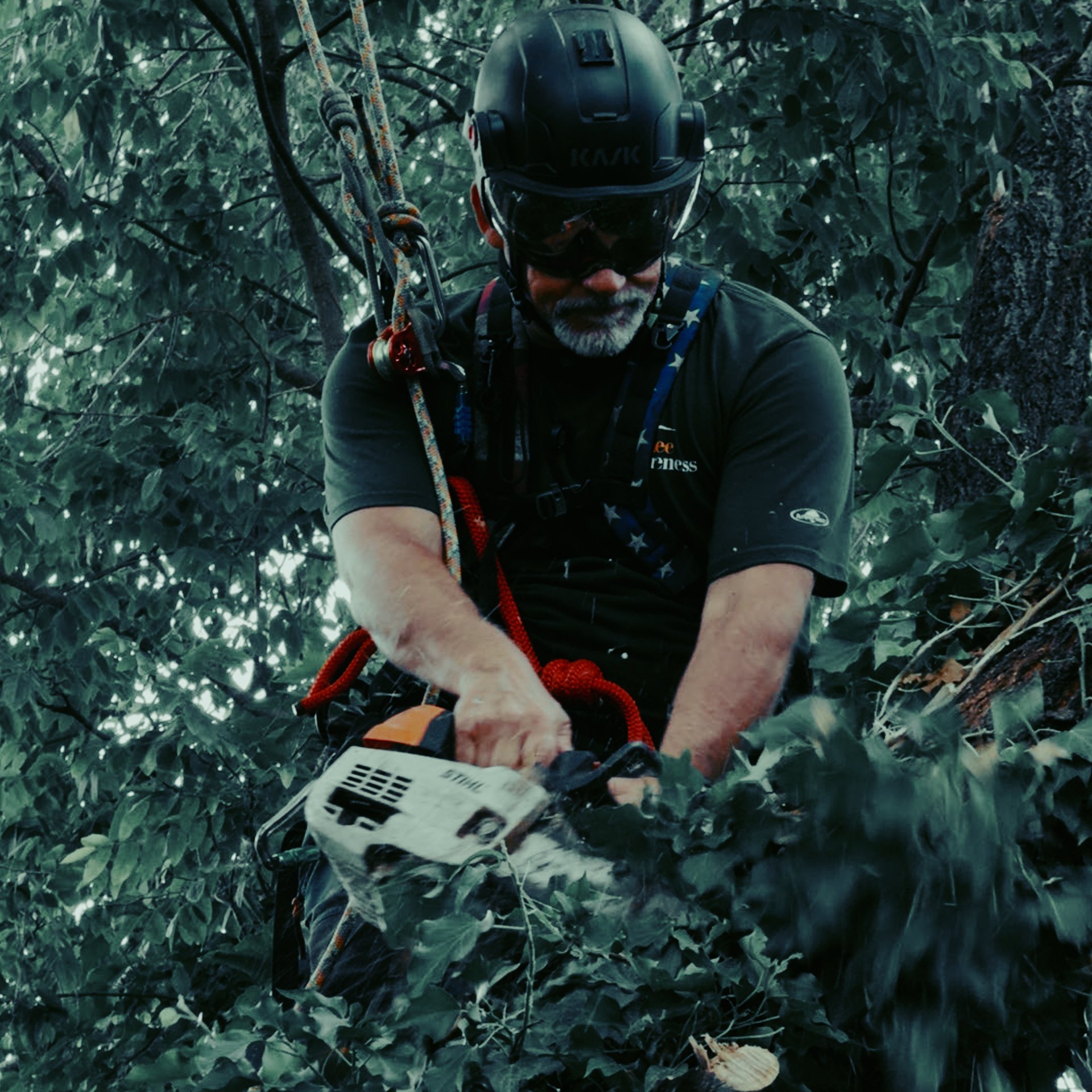
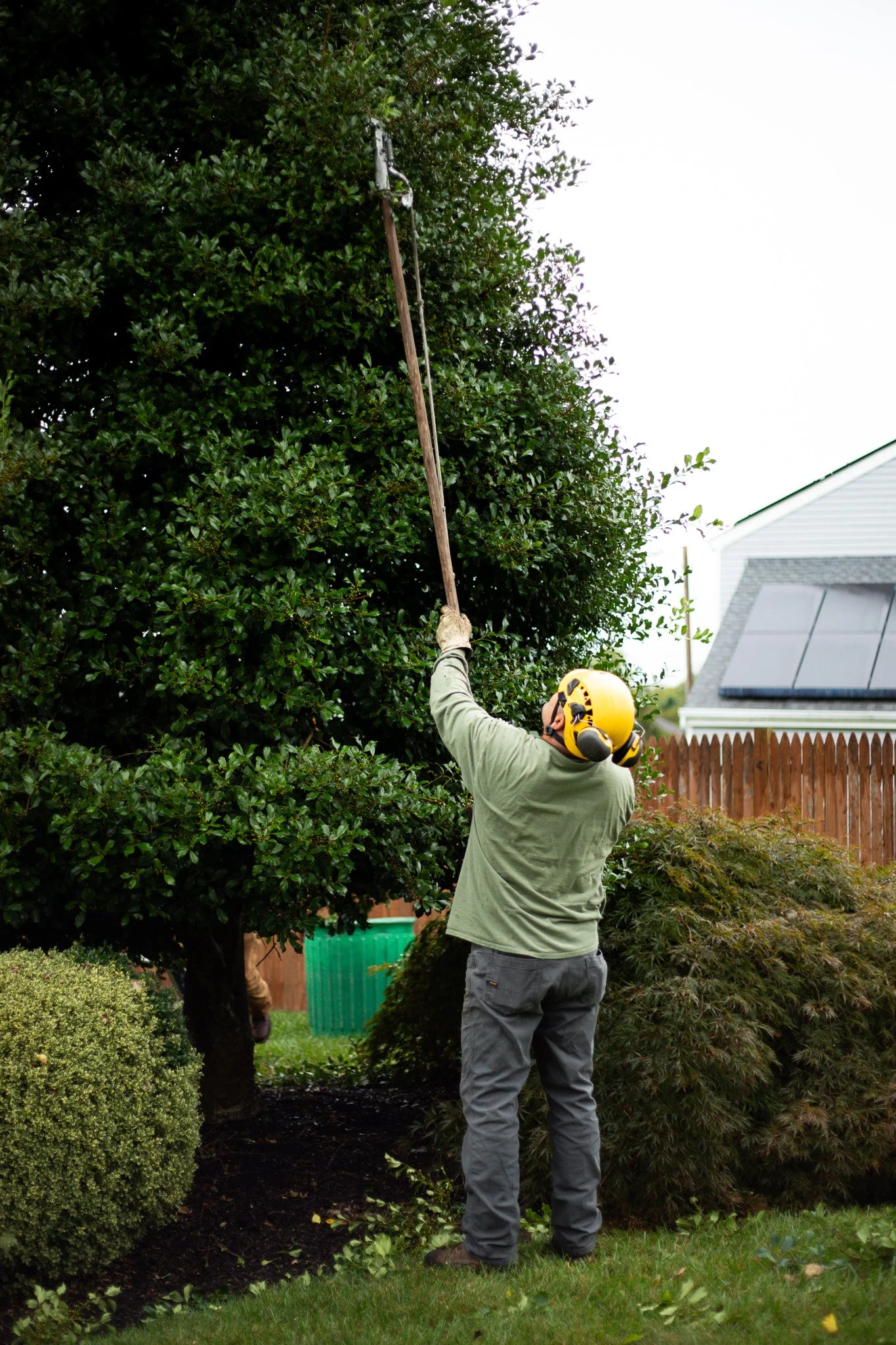
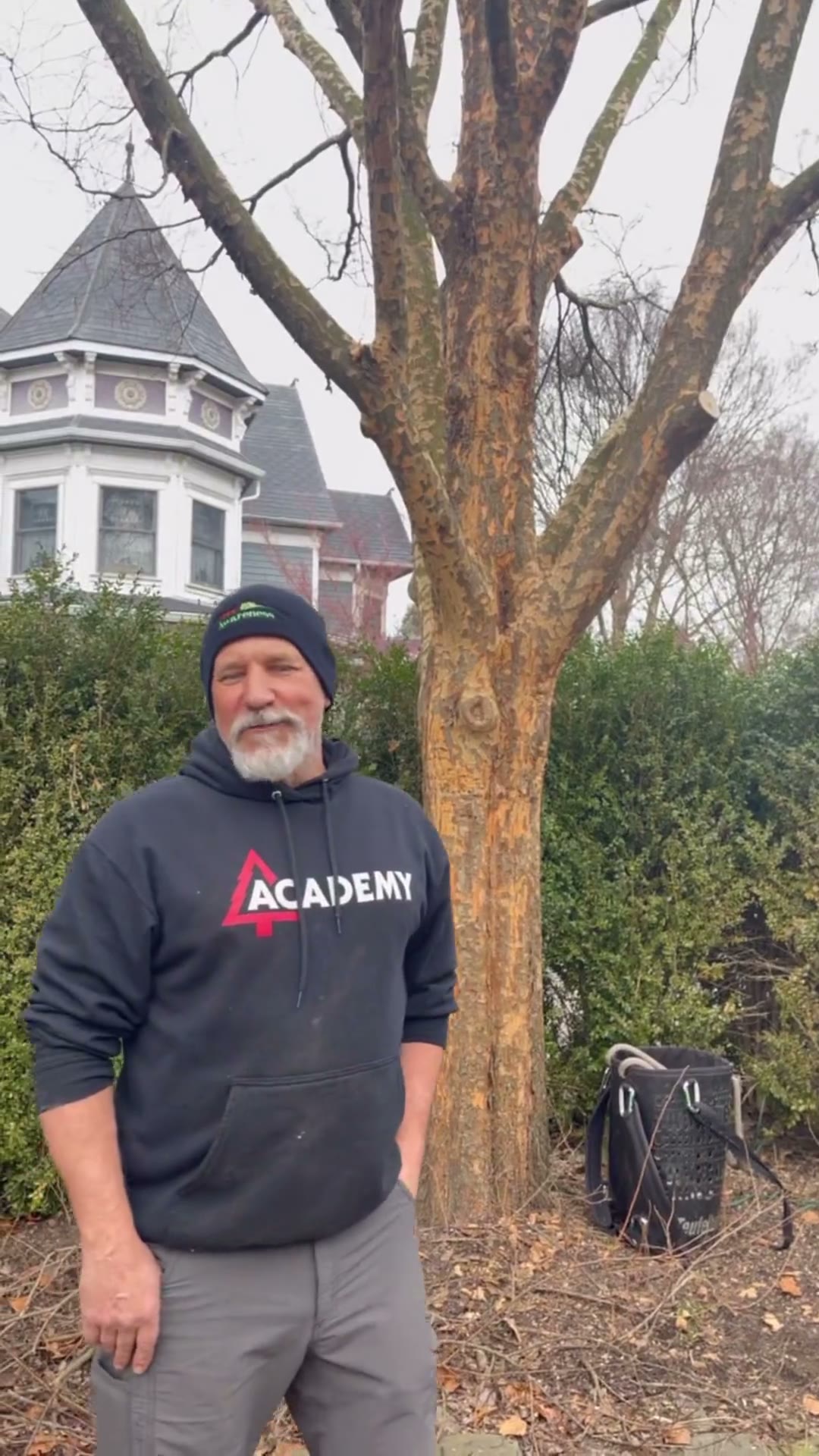
Paul Biester, NJ Licensed Tree Expert #408, performing structural pruning
ANSI A300 · 4 TECHNIQUES

The four pruning techniques we use.

Every pruning job is a combination of these four techniques, applied selectively to specific limbs based on their condition and the tree’s structural needs.

TECHNIQUE 01

Crown cleaning

Selective removal of dead, dying, diseased, weakly attached, and low-vigor branches. The most common and lowest-impact pruning operation. Reduces hazard without altering the tree’s natural form.

TECHNIQUE 02

Crown thinning

Selective removal of small live branches to reduce density. Improves light penetration and air movement through the canopy. Used sparingly — over-thinning causes more harm than good.

TECHNIQUE 03

Crown raising (sidewalk & driveway clearance trimming)

Removal of lower branches to provide vertical clearance for buildings, vehicles, pedestrians, or sight lines. Done gradually over years on young trees to avoid trunk taper problems.

TECHNIQUE 04

Crown reduction

Reduction of overall canopy size by cutting back to a lateral branch large enough to assume terminal role — at least one-third the diameter of the cut. Never topping. Never heading.

WHAT TO EXPECT

From the call to the cuts.

A clear, predictable process. Site visit and estimate are free.

01

Site visit

We walk the trees and discuss your goals.

02

Written prescription

Each tree, each cut, named on paper.

03

Scheduled by species

Pruning windows respected by tree type.

04

ANSI A300 cuts

Branch collar respected. 25% leaf cap.

05

Annual reassessment

Mature properties on a maintenance cycle.

RECENT WORK

Pruning, across South Jersey.

A snapshot from properties we’ve worked on. No stock photography.

CASE STUDY · MANNINGTON, NJ

A heritage estate, twenty years on.

Two species, two prescriptions, one coordinated crew. The kind of long-term maintenance that keeps heritage canopy standing as healthy specimens.

Mannington, NJ · Tree Awareness

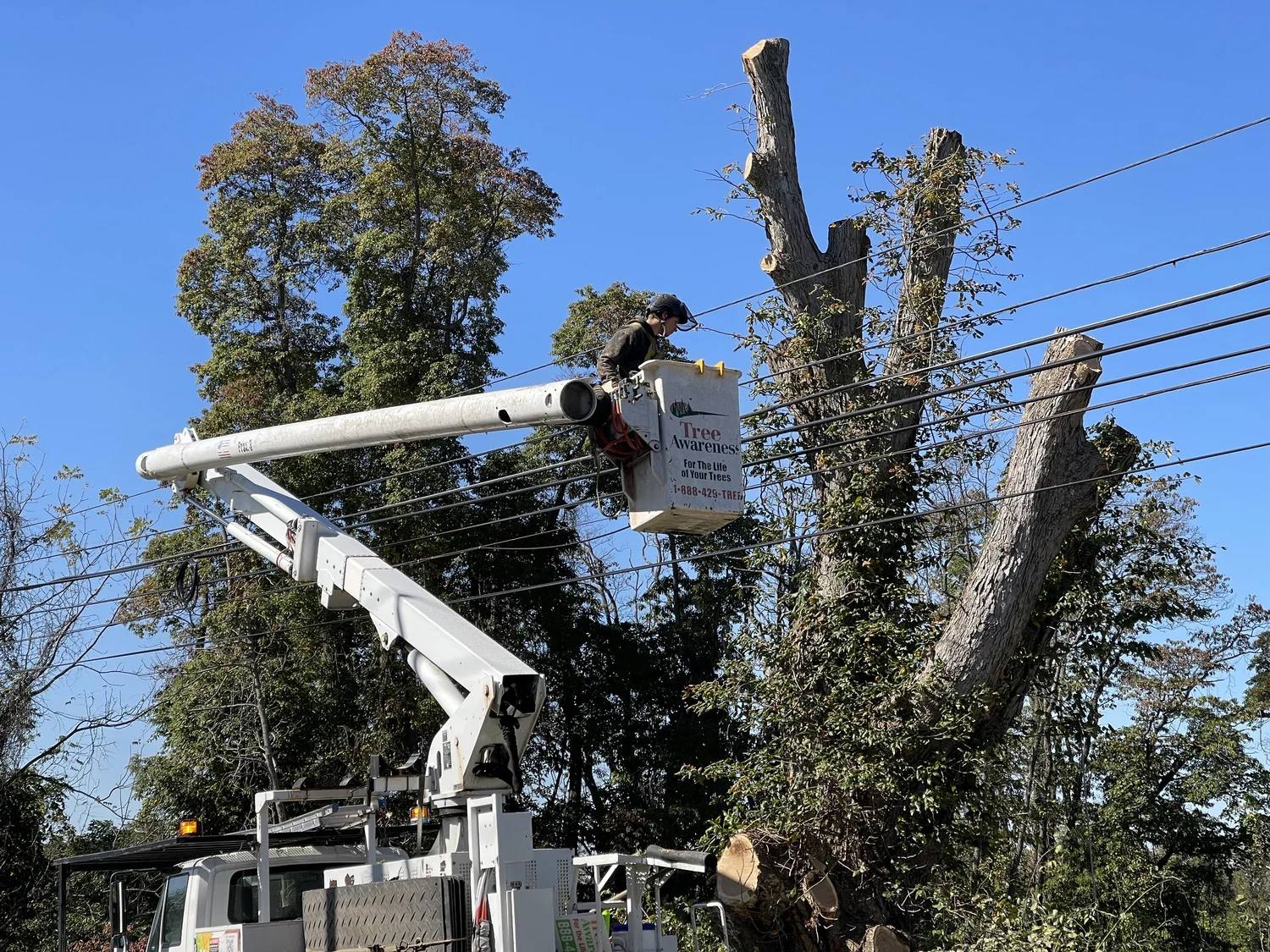
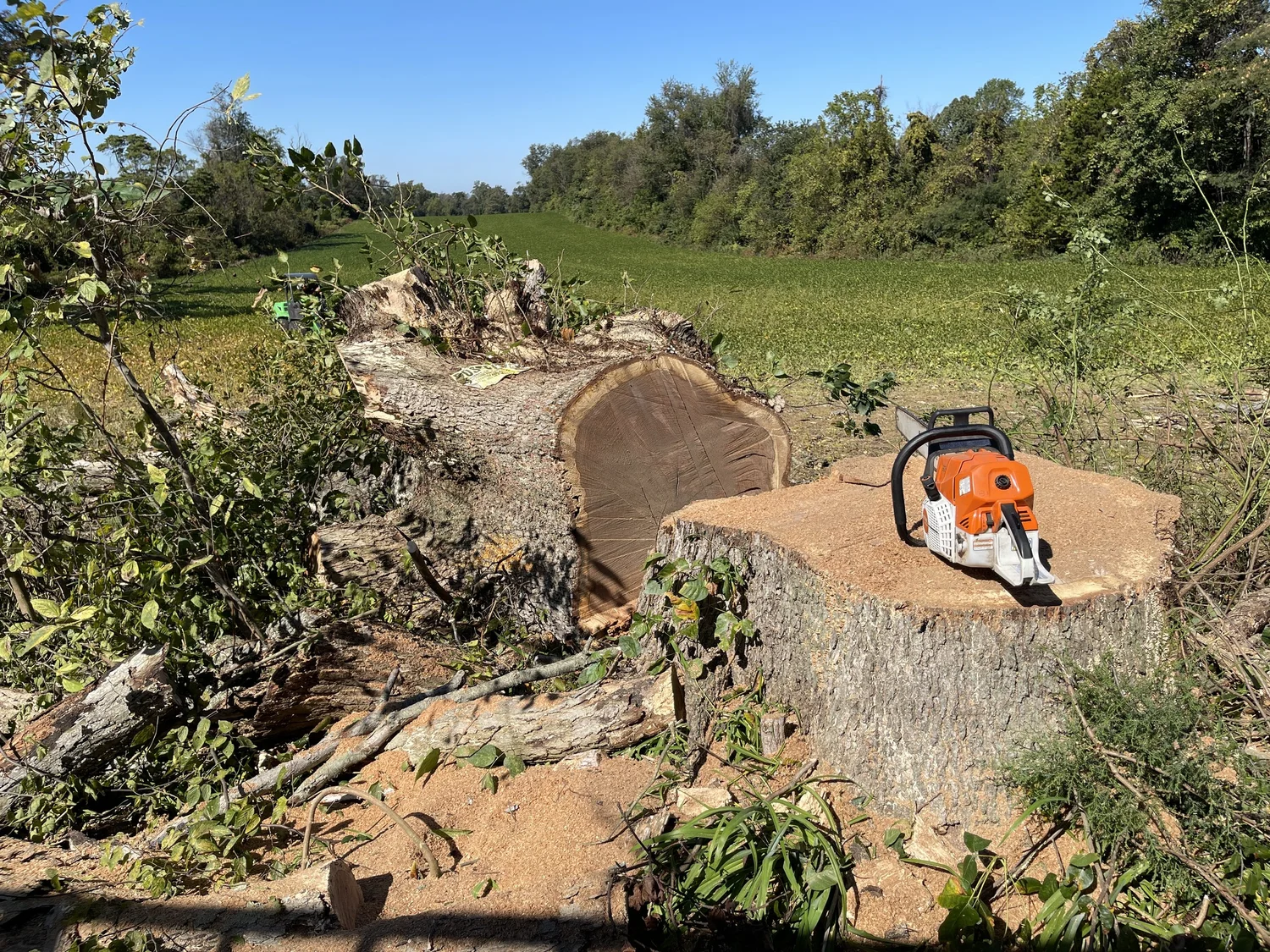
A long-time client’s estate property in Mannington Township — on the meadow, in Salem County. Heritage trees that have been on consistent annual maintenance for two decades.

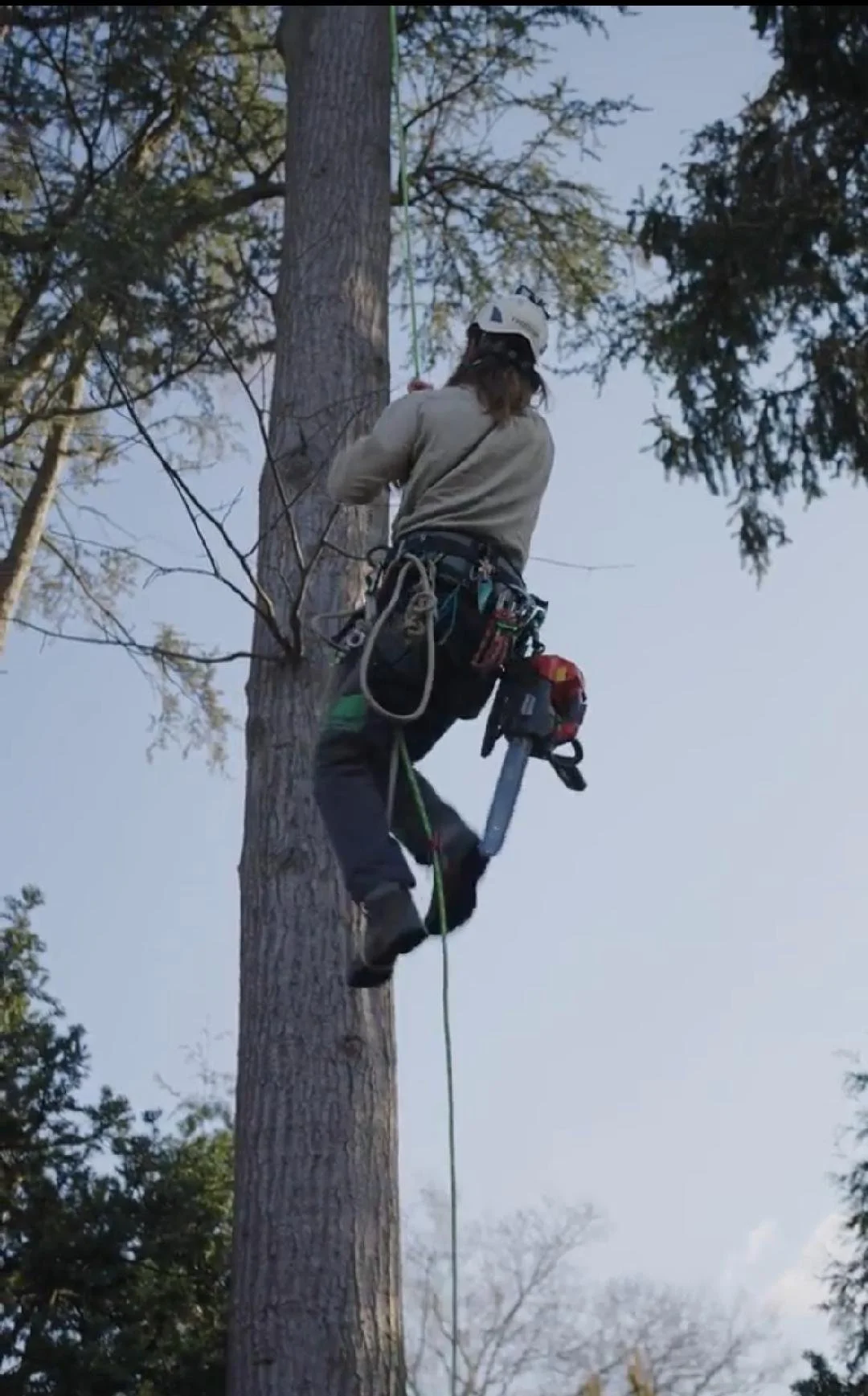
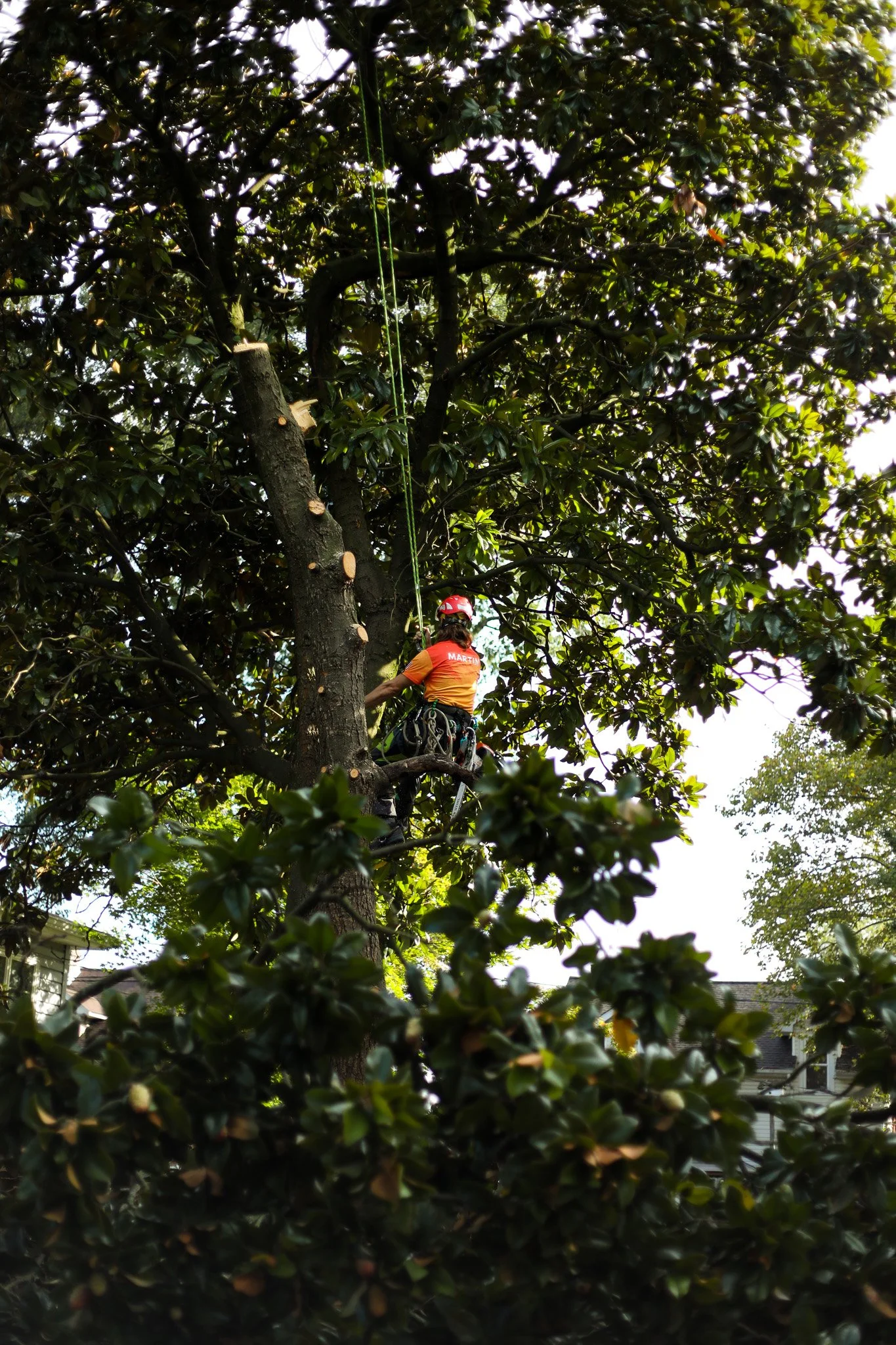
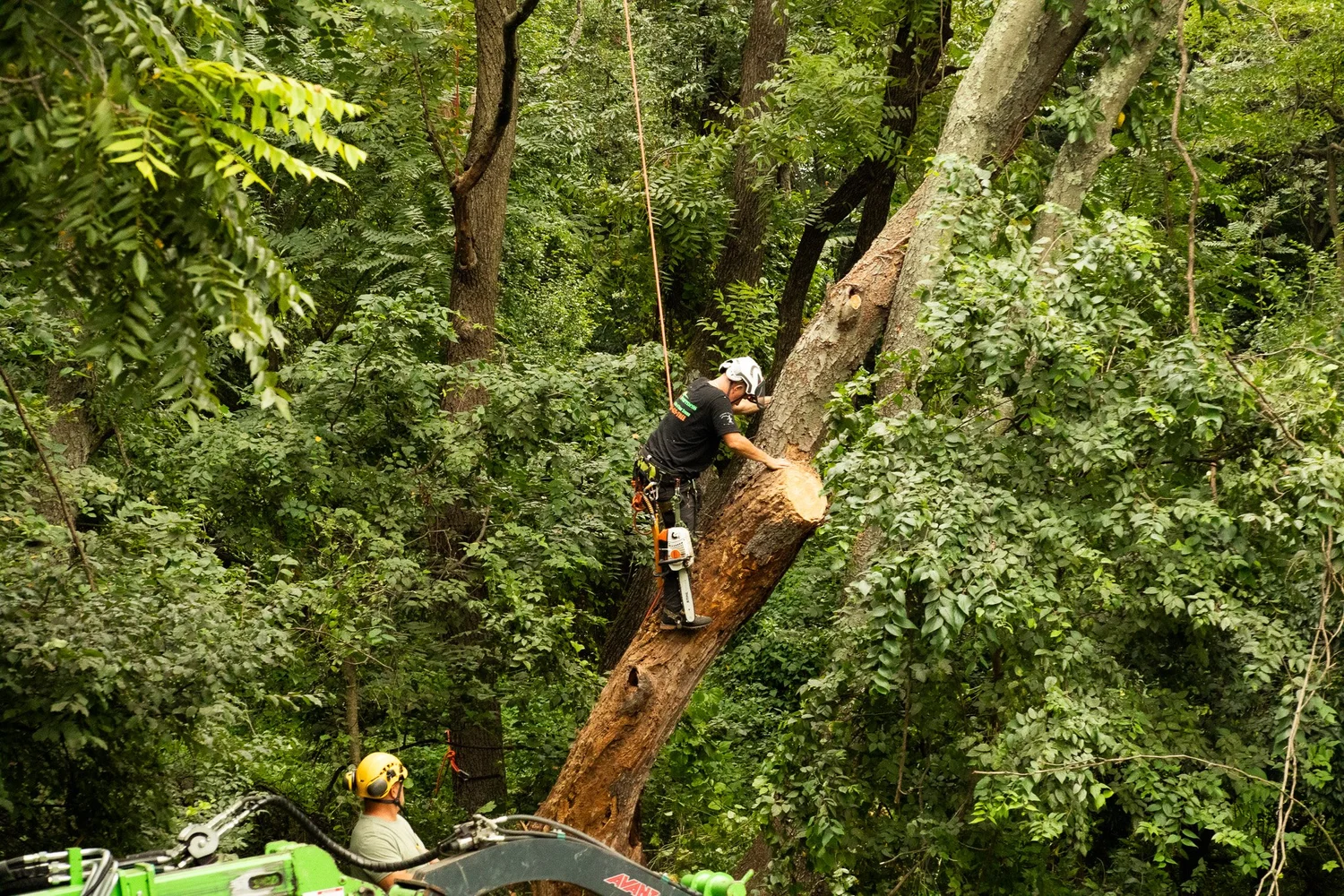
Mason in the lift on the red oak doing aerial deadwooding. Paul in the willow doing retrenchment, raising, and minor reduction work over the driveway.

The trees on this property are still standing as healthy specimens because the maintenance has been methodical and consistent.

Read the full case study →
STANDARDS

What we do. And what we don’t.

ANSI A300 is the floor, not the ceiling. Some practices in our industry have been shown to harm trees and we don’t perform them.

Standard practices

  • Crown cleaning — deadwood, broken limbs, crossing branches
  • Crown reduction — height reduction to a sound lateral branch, ANSI A300
  • Crown raising (sidewalk & driveway clearance trimming) — vertical clearance for structures and access
  • Structural training — setting young trees up for fifty years
  • Restoration pruning — recovering trees damaged by storm or bad cuts
  • Cabling and bracing — structural support where pruning isn’t enough

Practices we don’t perform

  • Topping — cutting the leader to a stub
  • Lion’s-tailing — stripping interior foliage, leaving only tips
  • Sidewalling — cutting one side flat against a structure
  • Flush cuts and stubs — both prevent compartmentalization
  • Wound dressing or paint — traps moisture, accelerates decay
  • Removing more than 25% of leaf surface in a single growing season
SERVICE AREA

Where we serve.

Tree Awareness covers 88 municipalities across Gloucester, Camden, Salem, and Cumberland counties.

See all 88 towns →
FAQ

Common questions.

When is the best time to prune a tree?

It depends on the species. Oaks are best pruned in dormant winter (December–February) to reduce the risk of oak wilt. Maples and birches are pruned after spring sap flow ends, in early summer. Most other deciduous trees can be pruned in late dormant season (February–March). Dead, broken, or hazardous limbs can be removed any time of year.

How often should mature trees be pruned?

On a planned cycle. Most heritage and high-value mature trees benefit from a 2–3 year deadwood cycle with a more comprehensive structural assessment every 5–7 years. Newly planted trees should be assessed annually for the first 5–10 years to establish good structure.

What's the difference between crown reduction and topping?

Crown reduction shortens a limb back to a lateral branch large enough to take over (at least one-third the diameter of the cut), preserving the tree’s structure and natural growth response. Topping cuts the limb to a stub with no lateral takeover, producing weak water-sprout regrowth and structural decay. They are not interchangeable techniques.

Will pruning damage my tree?

Done correctly, pruning extends a tree’s safe service life. Done incorrectly, it shortens it. The main risk factors are: removing too much leaf surface in one season, cutting at the wrong location (flush cuts, stubs), making cuts the tree can’t compartmentalize, and pruning in the wrong season for the species. ANSI A300 governs all of these.

What does ANSI A300 mean?

ANSI A300 is the American National Standards Institute’s tree care standard. Part 1 covers pruning — what techniques are valid, where cuts should be made, how much can be removed in one season, and what practices are not acceptable. Tree Awareness performs all pruning work to ANSI A300 Part 1.

How much does pruning cost?

It depends on the size of the tree, the type of work, the access, and any specialized equipment needed (lift truck, crane, climbing). Site visits and written estimates are free. Most residential pruning jobs fall in a $400–$2,500 range; mature heritage specimens or multi-tree estate work can be more.

Do you handle the cleanup?

Yes. Brush and wood are processed and removed the same day. We can leave wood at the property for firewood if requested. Stump grinding is a separate service and can be quoted alongside any removal.

Are you insured?

Yes. Tree Awareness carries current general liability and workers’ compensation insurance. Certificates available on request before any work begins.

FIELD NOTES · ON PRUNING

Field notes on pruning.

Documented case studies and technique walkthroughs from Paul’s field work.

NJ LTE #408 · TCIA · ISA · TRAQ

Get a free pruning estimate.

Site visit and written prescription are free. We’ll walk your trees and tell you what they need — or don’t.