
For the life of your trees. · (856) 241-0489
TCIA AccreditedNJ LTE #408TRAQISA Member
PHC · DIAGNOSIS-FIRST

Plant health care in South Jersey.

Soil management · Pest treatment · Disease protocols

Diagnostic tree health evaluations, soil management, pest treatment, and chronic disease protocols. Soil first, pests second. Led by Paul Biester, NJ Licensed Tree Expert #408. Less invasive. More in harmony.

30+
Years · NJ Practice
#408
NJ Licensed Tree Expert
TCIA
Accredited · 3× Renewed
TRAQ
ISA Risk-Assessment Qualified
88
South Jersey Towns
SERVICE OVERVIEW

Healthy trees rarely fail.

Most tree problems are soil problems wearing a costume. Compacted soil, missing biology, poor drainage, and root-zone neglect open trees up to the pests and diseases they would otherwise resist.

Tree Awareness Plant Health Care starts with a tree health evaluation — not a sales call. We diagnose what’s actually happening before recommending treatment.

The protocol that follows is calibrated to the trees and soil on your property: targeted soil work, biological inputs, selective pruning, and disciplined annual reassessment.

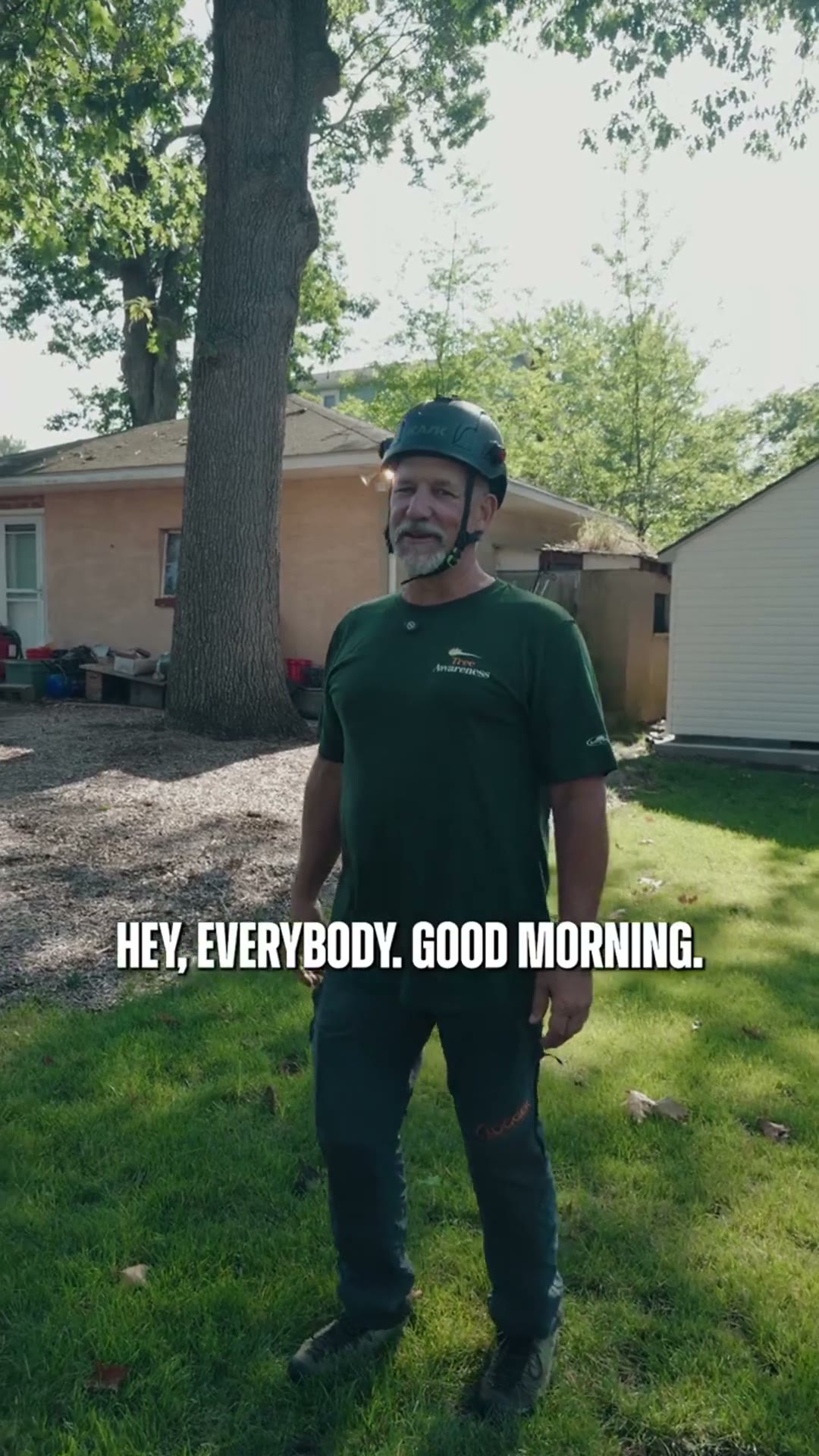
Tree Awareness arborist performing Plant Health Care diagnostic
PHC · 4 SERVICE TYPES

Diagnosis, then the right intervention.

PHC isn’t a spray cycle. It’s a diagnostic process that produces specific interventions matched to specific findings.

SERVICE 01

Tree health evaluation

Site visit. We walk the trees, read the canopy, evaluate the soil at the surface, identify any visible pest or disease pressure. Written notes per tree. The diagnostic foundation for everything else.

SERVICE 02

Soil management

Vertical mulching with humic acids, mycorrhizal inoculant, sea kelp, beneficial bacteria. Air-spading where compaction is severe. Die Hard Root Reviver applied spring and fall.

SERVICE 03

Pest treatment

Targeted treatment for spotted lanternfly, bagworms, scale insects, mites, Japanese beetles, borers. Timing windows respected (SLF late June through July; bagworms mid-May through mid-June).

SERVICE 04

Disease protocols

Chronic disease management: Bacterial Leaf Scorch (Xylella fastidiosa), Anthracnose, Phytophthora root rot. Multi-year protocols with annual reassessment.

WHAT TO EXPECT

From evaluation to a written plan.

Plant Health Care is a long-term relationship. The first visit is the diagnostic foundation.

01

Tree health evaluation

Walk every tree. Read canopy, soil, pest pressure.

02

Diagnosis-first plan

Each pest, soil intervention, timing window named on paper.

03

Soil + canopy work

Vertical mulching, root reviver, selective pruning. Done in the right windows.

04

Targeted pest treatment

Only when indicated. Right timing for the species.

05

Annual reassessment

Photographs, canopy density, year-over-year vigor. Plan adjusts to what trees show us.

RECENT WORK

Plant Health Care, in the field.

Real properties on real PHC plans. Diagnosis, intervention, follow-through.

CASE STUDY · GLASSBORO, NJ

A heritage oak on the BLS protocol.

Bacterial Leaf Scorch on a Glassboro client’s heritage oak. The protocol that’s holding the line.

Glassboro, NJ · Tree Awareness

BLS (Xylella fastidiosa) is permanent — there’s no cure. The question shifts from cure to time: how many years can the protocol hold the canopy?

Selective ANSI A300 pruning, vertical mulching with biological inputs, Die Hard Root Reviver spring and fall, annual reassessment with photographs and canopy density measurement.

This Glassboro client’s oak is on the protocol. Holding ground.

See the protocol →
PHC · APPROACH

What we do. And what we don’t.

Plant Health Care has a lot of bad practices in the industry. We don’t participate in them.

Standard practices

  • Diagnosis before treatment — identify the pathogen first
  • Soil-first approach — restore root-zone biology
  • Right-timing pest treatment — SLF late June, bagworms mid-May
  • Multi-year protocols with annual reassessment and photo documentation
  • Selective pruning on stressed trees, ANSI A300, ≤25% leaf surface
  • Biological inputs — humic acids, mycorrhizae, beneficial bacteria

Practices we don’t participate in

  • Generic spray schedules — quarterly applications regardless of need
  • Spraying on suspicion — treatment without diagnosis
  • Antibiotic injections for BLS — mask symptoms, don’t treat
  • Mulch volcanoes — piled against trunk, root flare buried
  • Aggressive pruning on already-stressed trees
  • One-size-fits-all programs — tree care isn’t lawn care
SERVICE AREA

Where we serve.

Plant Health Care visits across 88 municipalities in Gloucester, Camden, Salem, and Cumberland counties.

See all 88 towns →
FAQ

Common questions.

What is plant health care?

Plant Health Care (PHC) is the proactive management of tree health — diagnosing stressors, supporting the root zone, treating pests when warranted, and managing chronic diseases. It’s the difference between calling a tree service when something is already wrong, and keeping trees healthy enough that less goes wrong in the first place.

When does my tree need PHC?

Signs include: thinning canopy, dieback at branch tips, leaf discoloration outside seasonal change, visible pests, premature leaf drop, conks or fruiting bodies on the trunk, or a property history of construction disturbance / soil compaction. New homeowners with mature trees on the property benefit from a baseline evaluation.

What is vertical mulching?

A soil rehabilitation technique. We bore vertical holes into the root zone and backfill with an organic-matter blend of humic acids, beneficial bacteria, mycorrhizal inoculant, and sea kelp. The objective is restoring soil biology and physical structure that compacted urban soils have lost.

Can Bacterial Leaf Scorch be cured?

No. BLS is caused by Xylella fastidiosa, a bacterium with no commercially available cure. The disease is permanent. The protocol extends safe canopy life by years through selective pruning, soil work, and annual reassessment — but the bacterium remains in the tree.

When should I treat for spotted lanternfly?

Late June through July in this region. Treatment timing is critical — that’s when systemic protection lasts the full 4 months covering the destructive nymph and adult stages. Earlier or later applications waste money.

What about bagworms?

Treatment is optimal mid-May through mid-June, when caterpillars are small and actively feeding. Late-season treatments don’t work — the bag protects the larvae once it’s formed.

Are you insured?

Yes. Tree Awareness carries current general liability and workers’ compensation insurance. Pesticide applicator licensing also current. Certificates available on request.

What does PHC cost?

Site visits and tree health evaluations are free. Treatment costs depend on tree count, size, and the specific protocol indicated. Most residential PHC programs run $400–$1,500 per visit; multi-tree estate programs are quoted as annual contracts.

FIELD NOTES · ON PHC

Field notes on plant health care.

BLS protocols, soil management, foundational concepts.

NJ LTE #408 · TCIA · ISA · TRAQ

Get a tree health evaluation.

Site visit and evaluation are free. We’ll walk your trees and tell you what they need — or don’t.