Visual TRAQ · Resistograph · Aerial inspection · Written reports
ISA TRAQ-qualified visual assessments. Resistograph drill testing. Aerial inspections. Written reports with risk ratings, recommendations, and photographic documentation. Method, not opinion. On paper.
Before TRAQ (the ISA Tree Risk Assessment Qualification), tree risk was a guess. The same tree could be called “safe” by one arborist and “dangerous” by another. TRAQ replaced that with a standardized method.
Tree Awareness performs TRAQ Level 1, Level 2, and Level 3 assessments. We use resistograph drill testing for internal wood condition, sonic tomography for high-value specimens, and aerial inspection (climbing) when the defect can’t be read from the ground.
Every assessment produces a written report with risk rating (low / moderate / high / extreme), defect documentation, photographs, and specific recommendations.

TRAQ recognizes three levels of visual assessment. We add aerial inspection as a fourth tool when needed.
A drive-by or quick walk-around. Fastest, lowest cost. Used to screen large numbers of trees (HOA inventories, post-storm sweeps) for trees needing further attention.
The standard. Full ground-level walk-around of the tree. Defect identification, target evaluation, written risk rating. The right level for most homeowner concerns.
Detailed assessment with specialized tools: resistograph drill testing, sonic tomography, root-collar excavation. Used when Level 2 leaves the structural call ambiguous.
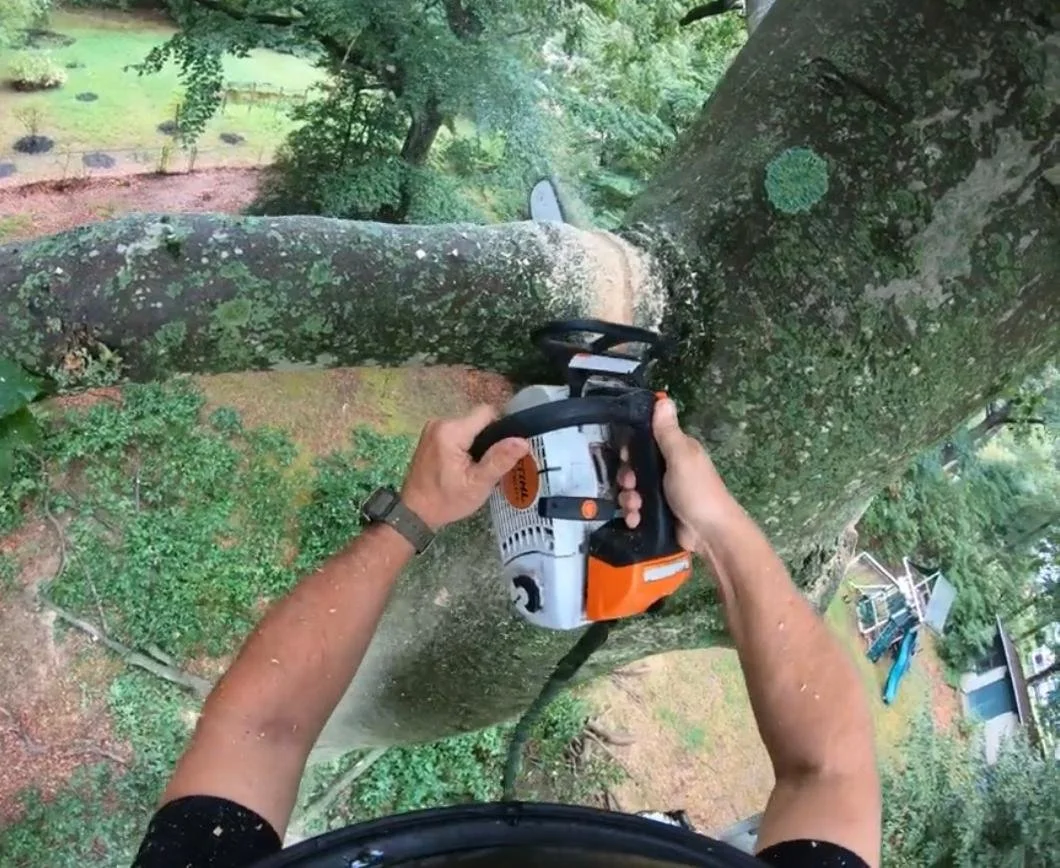
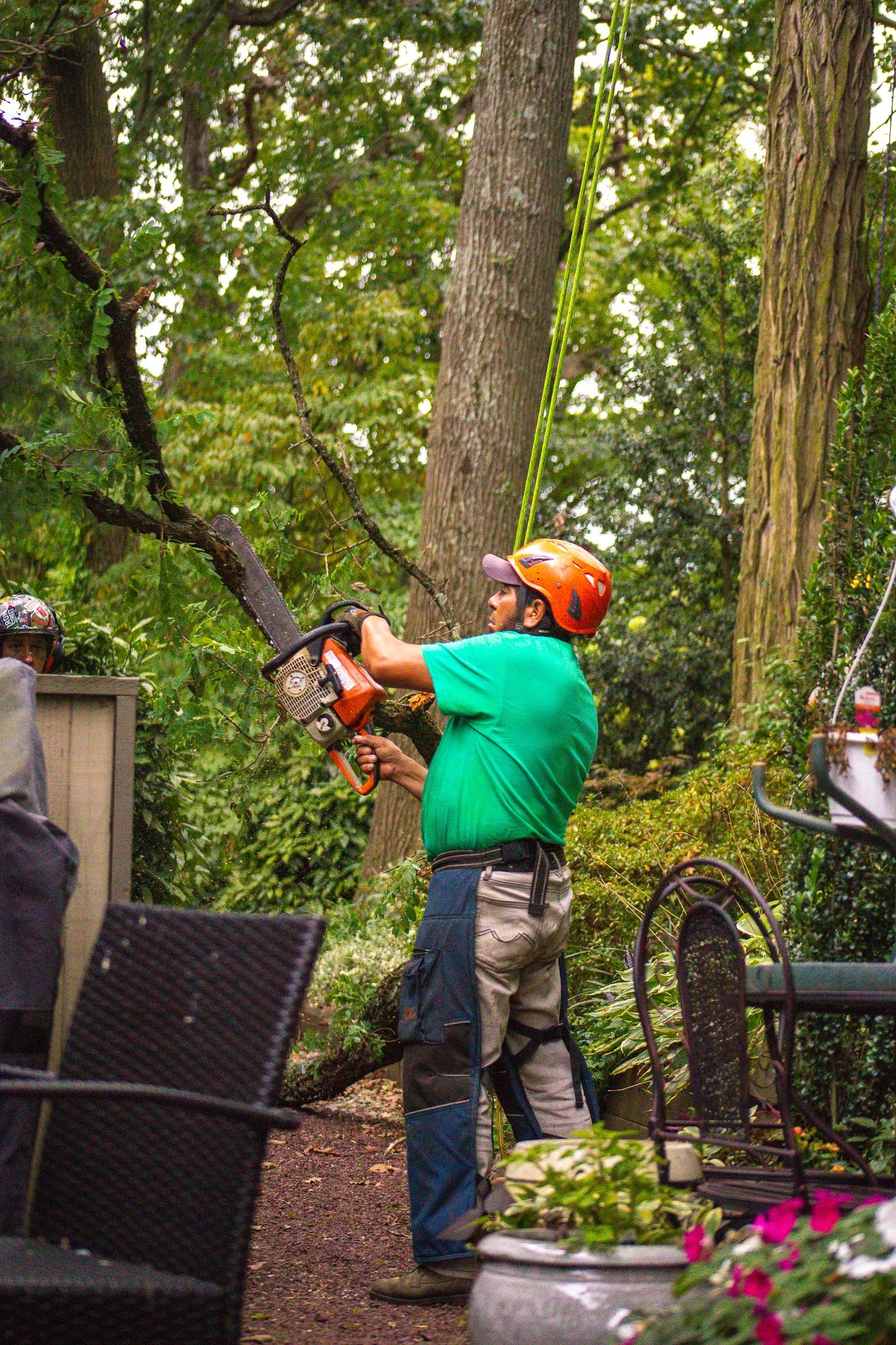
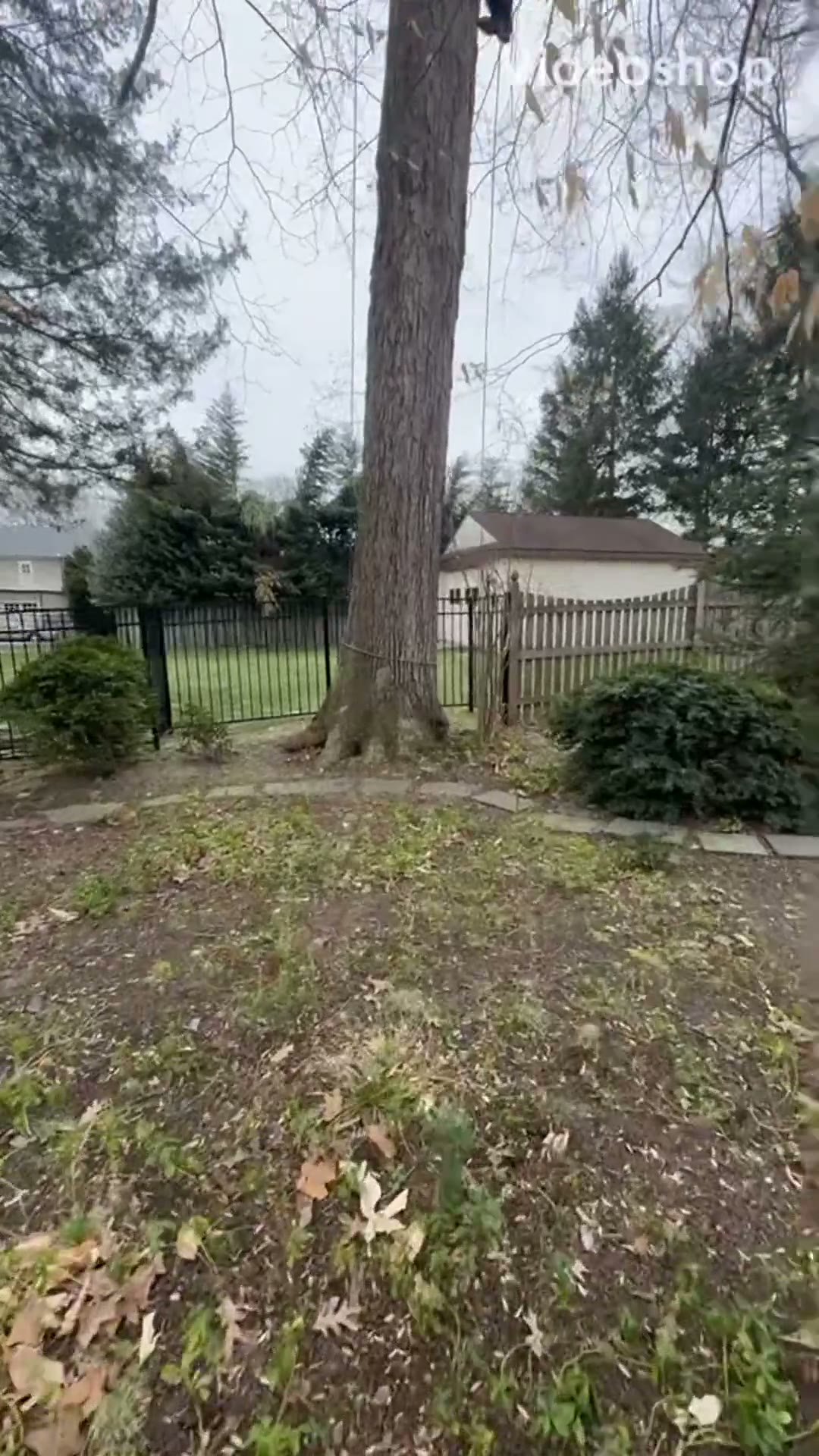
Climbed inspection (ATRA — Aerial Tree Risk Assessment). Used when defects are too high to read from the ground. The data the climber gets matters.
A TRAQ assessment produces a written report with photographs and recommendations. Not a verbal opinion.
Discuss your concern. We may recommend Level 1, 2, or escalation upfront.
On-site evaluation. Photographs, measurements, defect notes.
Risk rating, defect documentation, photographs, recommendations.
Pruning, cabling, removal, monitoring — whichever the data supports.
High-value or borderline trees go on annual or biennial reassessment.
Resistograph testing, aerial inspections, decay evaluation, structural assessments.


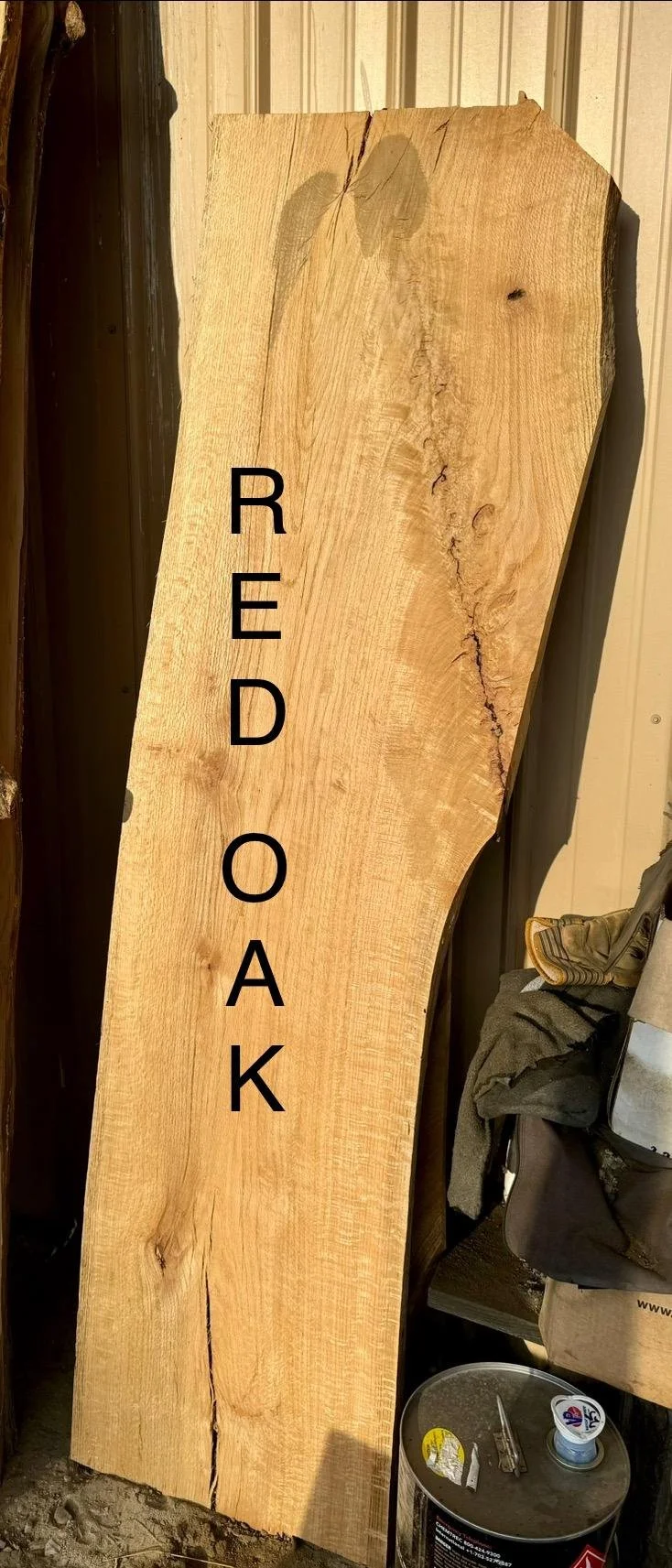
A homeowner’s heritage White Oak with a basal decay wound. The protocol that gets to the right answer.
TRAQ Methodology · Tree Awareness
A White Oak with visible basal decay. The homeowner’s question: do we keep it or remove it? The answer depends on the structural condition of the wood — which can’t be read by visual inspection alone.
Visual reading first. Sounding with a hammer to identify hollow zones. Targeted resistograph drilling through the suspected wound. The tree had been compartmentalizing successfully for years.
The data supported keeping the tree on a 12-month re-assessment cycle. Without the resistograph, the visual would have justified removal.
See the methodology →TRAQ is the methodology. Many tree services give “assessments” that don’t qualify as TRAQ assessments at all.
TRAQ assessments across 88 municipalities in Gloucester, Camden, Salem, and Cumberland counties.
TRAQ stands for Tree Risk Assessment Qualification. It’s the International Society of Arboriculture’s standardized methodology for evaluating tree risk. TRAQ-qualified arborists complete a 3-day course and exam, and the qualification must be renewed every 5 years. Paul Biester is TRAQ-qualified.
You probably do if any of these apply: visible defects (cracks, cavities, conks), recent storm damage, a tree over a target zone (house, garage, deck, public area), insurance or HOA requirement, or pre-purchase / pre-listing real estate inspection. If you’re wondering “is this tree safe?” — that’s the question TRAQ answers.
A small hand-held drill that measures the resistance of wood as a fine bit penetrates the trunk. Solid wood reads high resistance. Decayed wood reads low. Hollow voids read near-zero. The result is a printed cross-section of the structural wood — data no visual-only inspection can produce.
When a Level 2 visual identifies a defect but can’t determine its severity from the outside. Surface decay that might or might not extend deep into the trunk. Suspected hollow zones. Co-dominant stems with possible included bark. Resistograph or sonic tomography produces the data the visual can’t.
A Level 2 assessment for a single tree typically takes 30–60 minutes on site plus report preparation. Multi-tree assessments scale linearly. Level 3 with resistograph adds 30–60 minutes per tree depending on number of bores.
Yes. Written TRAQ reports are insurance-ready and litigation-ready — they include the qualification credential, methodology used, photographs, defect documentation, risk rating, and specific recommendations.
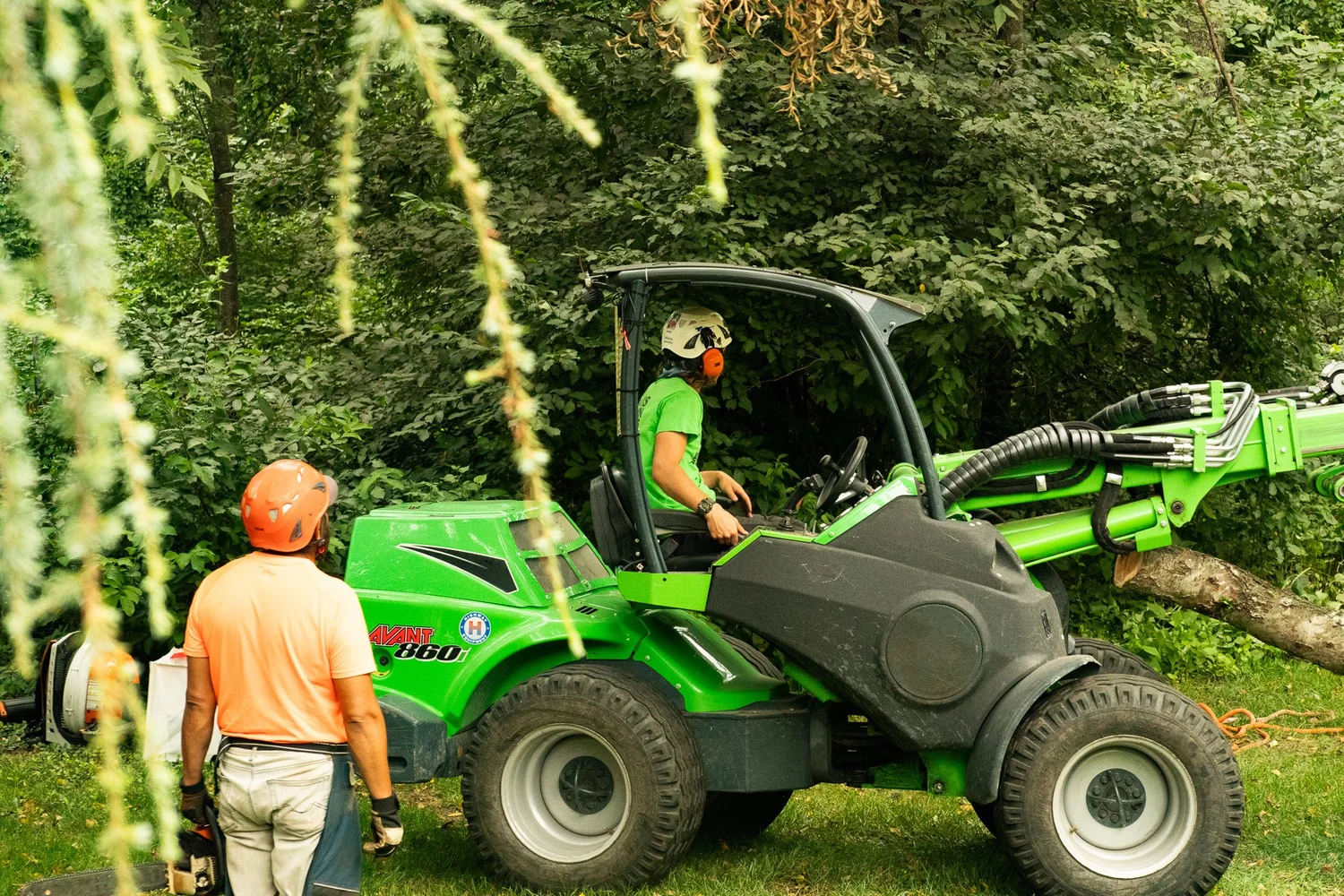
Yes. Current general liability and workers’ compensation insurance. Certificates available on request.
Single-tree Level 2 assessments typically run $150–$400. Resistograph adds $150–$300 per tree. Multi-tree estate assessments and HOA inventories are quoted by tree count.
TRAQ methodology, resistograph case studies, aerial inspections.
TRAQ-qualified, resistograph-capable, written report. Site consultation is free.