Storm response ยท Hazard removal ยท Insurance documentation
Storm response, hazard tree removal, post-event documentation. Triaged by safety risk. After-hours phone monitored for active emergencies. Insurance-ready paperwork when a structure is involved. The phone gets answered.
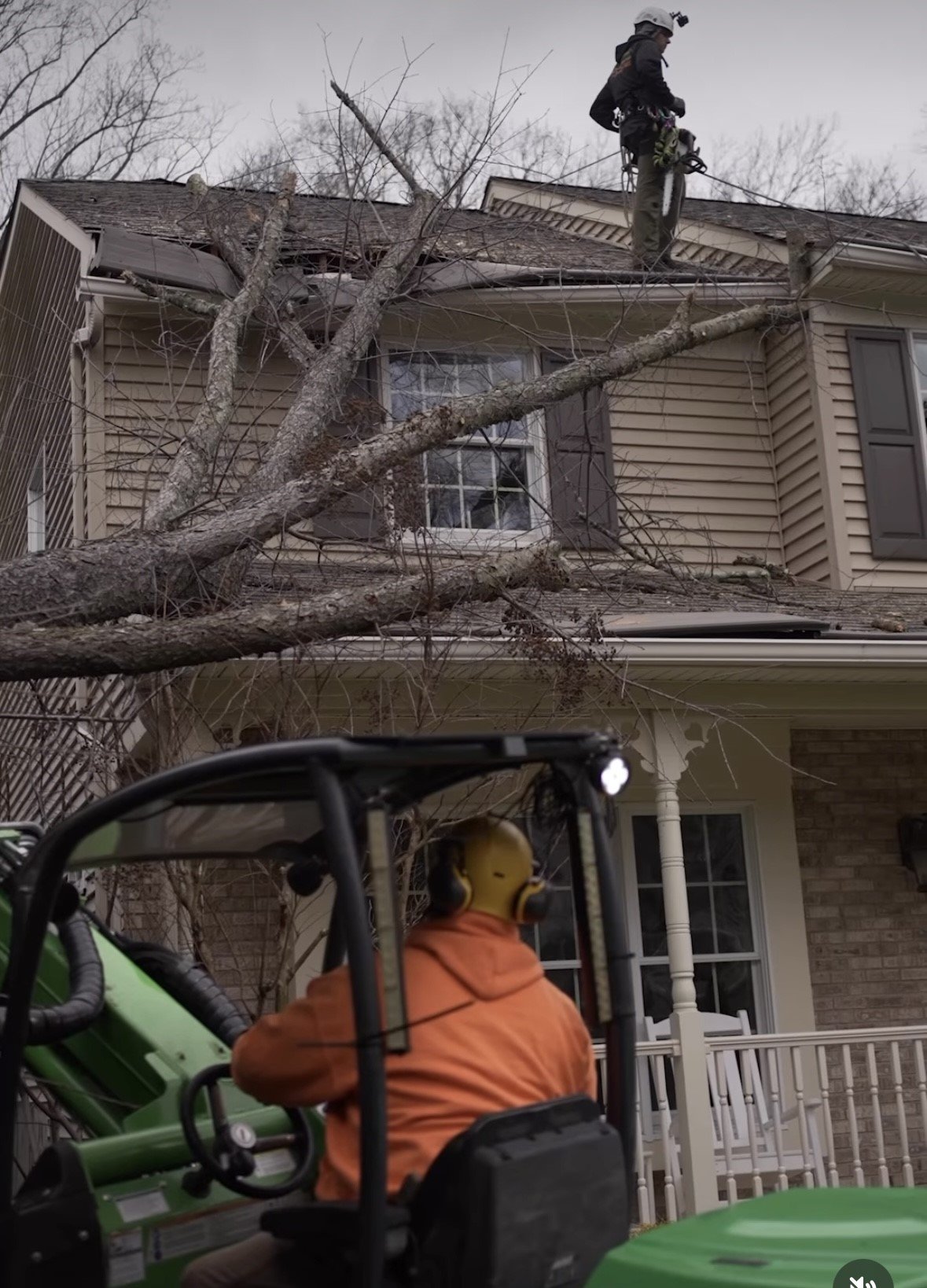
When a tree comes down on a structure, vehicle, or power line — or is leaning toward one — the situation is no longer routine tree work. It’s an emergency. The right call is to a service with the equipment, the insurance, and the documentation discipline to handle it.
Tree Awareness has handled storm response across South Jersey for thirty years. Triage first — we identify what’s an immediate hazard versus what can wait. Then we stabilize the immediate hazards. Then we coordinate the removal/cleanup operation.
For thirty years we have worked alongside homeowners on insurance claims. When a claim is involved, we write the emergency proposal and pull together every piece of documentation your insurer needs — so you submit the claim with everything required, the first time.

Storm work isn’t first-come-first-served. It’s prioritized by safety risk — not by who picked up the phone first.
Mia answers and runs every caller through a few triage questions. We’re already watching the weather, so we know what’s active in your area.
Every request is sorted by safety risk. Higher-risk work is dispatched first.
High priority
Medium priority
Low priority
If we already know your property — your trees, your access, your history with us — you move up within your priority tier. That’s part of what an ongoing relationship buys you.
Highest-risk calls go first. New or existing client. We don’t commit to a specific arrival time during active storms — conditions, crew safety, and the work queue dictate when we get to you. What we will commit to is honest triage and a call back the moment we have a window.
Storm or emergency
Call the office. Mia will run the triage and get you on the schedule by priority.
Call (856) 241-0489 →Storm work has a process. The order matters.
We confirm safety status, ETA, and what to do until we arrive.
Identify immediate hazards. Stabilize what can’t wait.
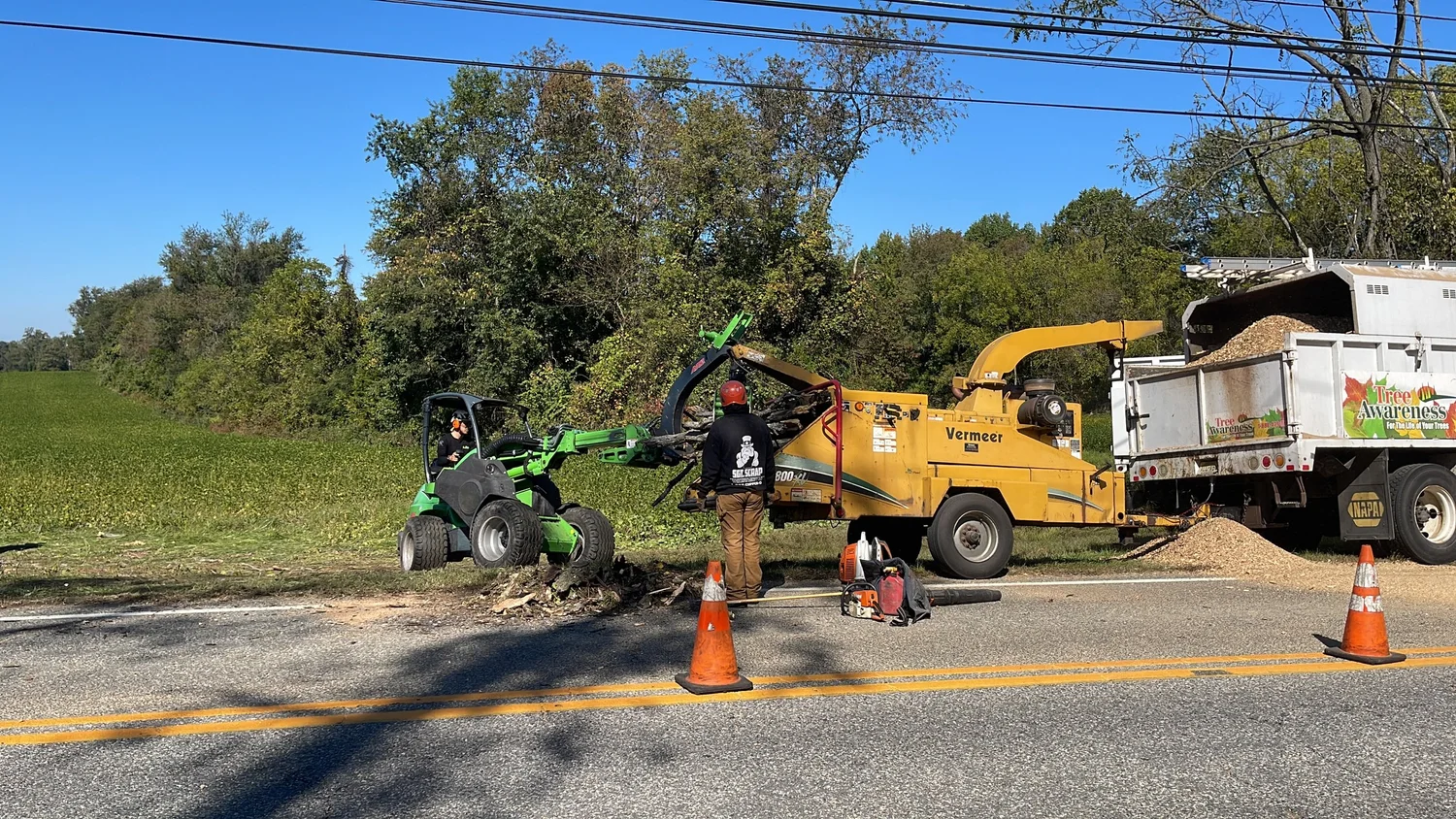
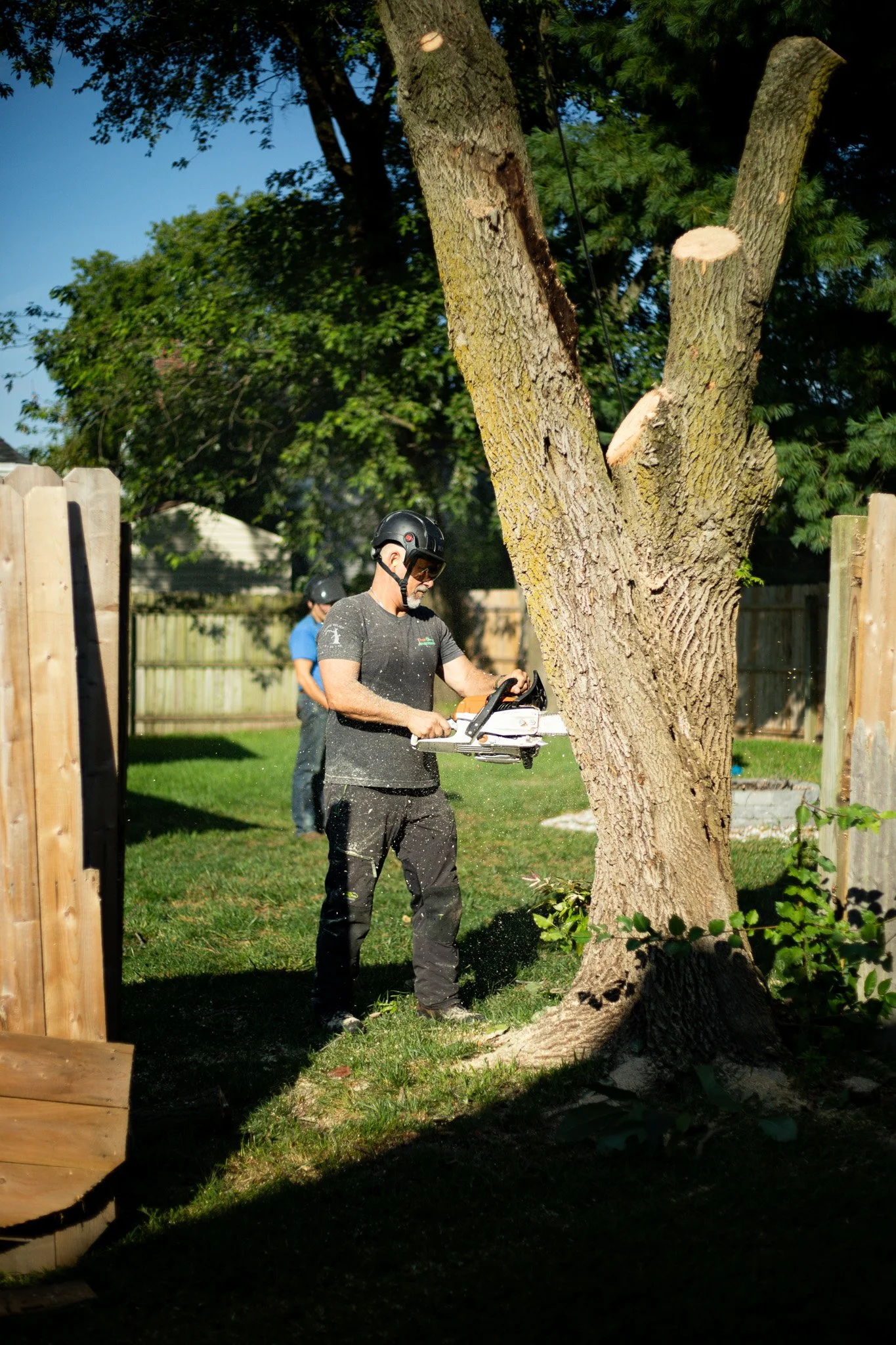
Remove or stabilize the immediate threats. Documentation throughout.
Photographs, methodology, before/after. Dated and signed.
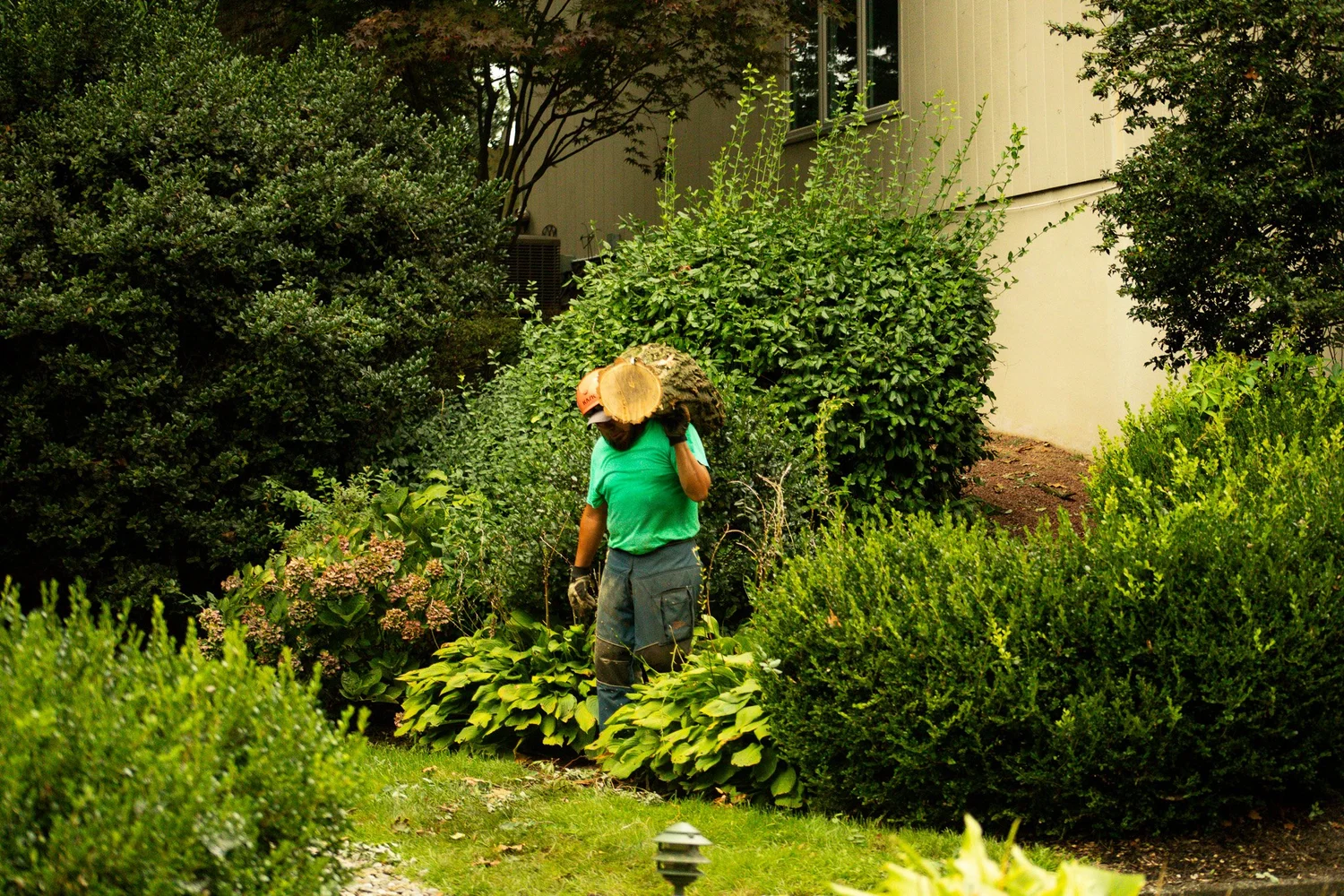
Wood removal, debris cleanup, reassessment of remaining trees.
Storm work, hazard removals, insurance-documented claims.


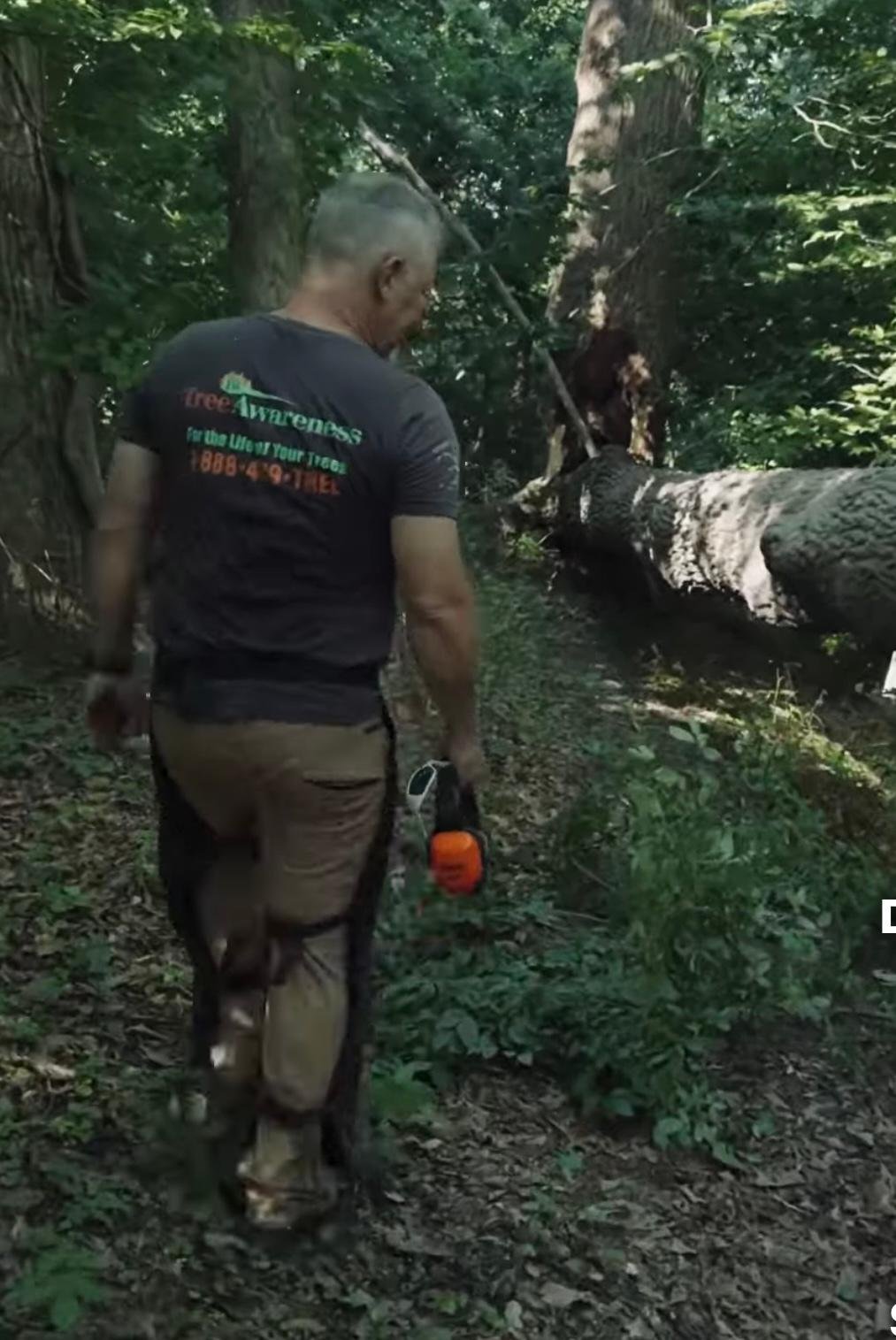
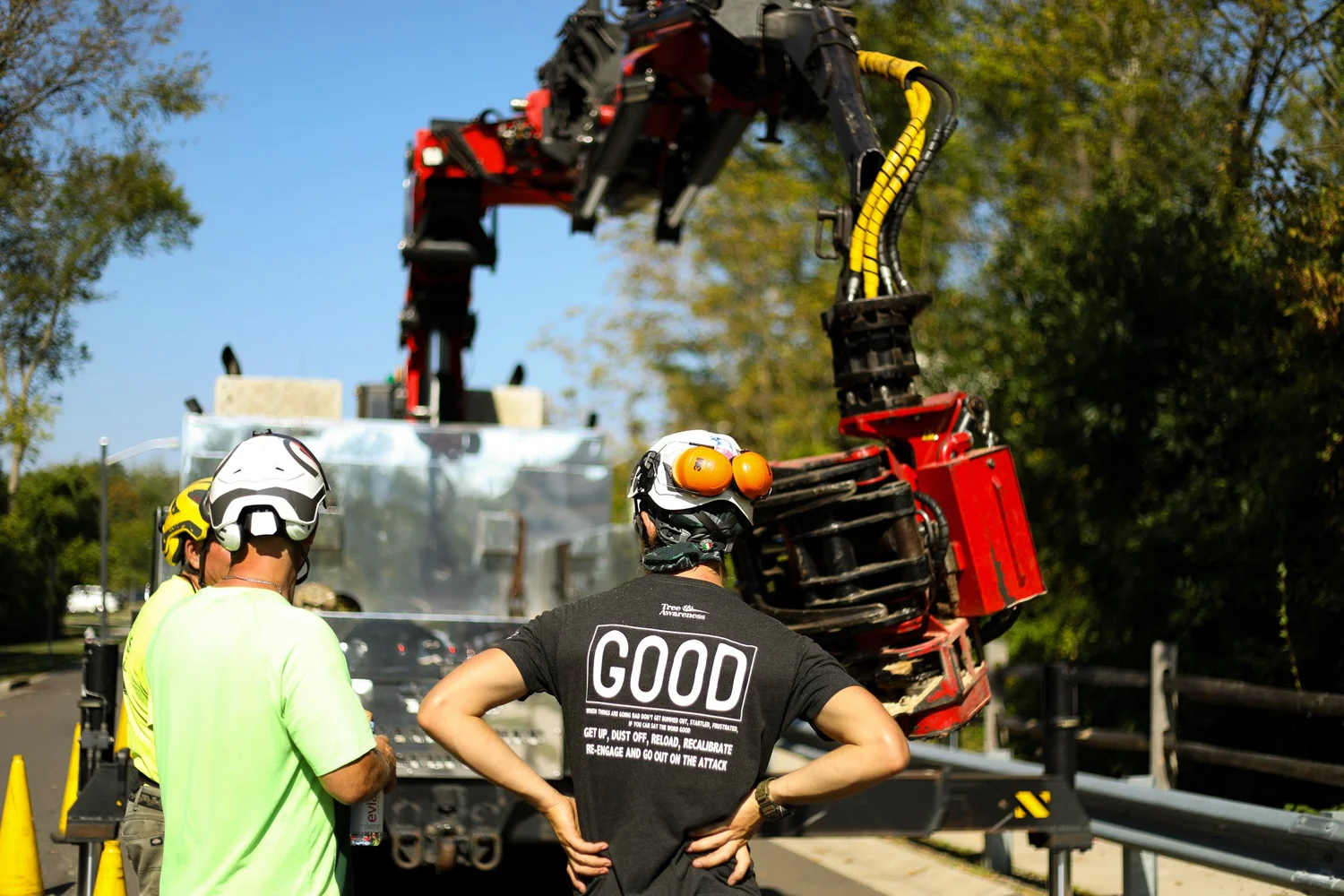
Paul instructs the crew on how to unpack a complex storm site safely. Every storm site is unique. The order of operations matters.
Storm Response ยท Tree Awareness
Storm-damaged trees are unpredictable. Branches under tension, root plates lifted, partial failures hidden inside the canopy. The work has to be sequenced — release tension before removing structure, identify hidden hazards before climbing, document everything for the claim.
Tree Awareness crews train on storm-site protocols. The work is dangerous and the margin for error is small.
When you have a tree down or leaning, the team you call matters more than the price.
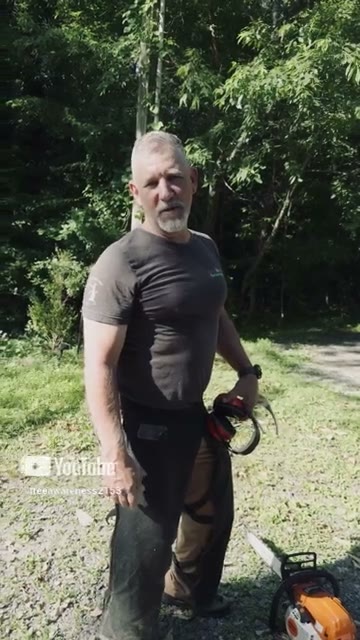
Watch Paul on the protocol →Storm season brings out the worst practices in the tree-care industry. We don’t participate in them.
Emergency response across 88 municipalities in Gloucester, Camden, Salem, and Cumberland counties. Response priority based on active hazard severity and proximity.
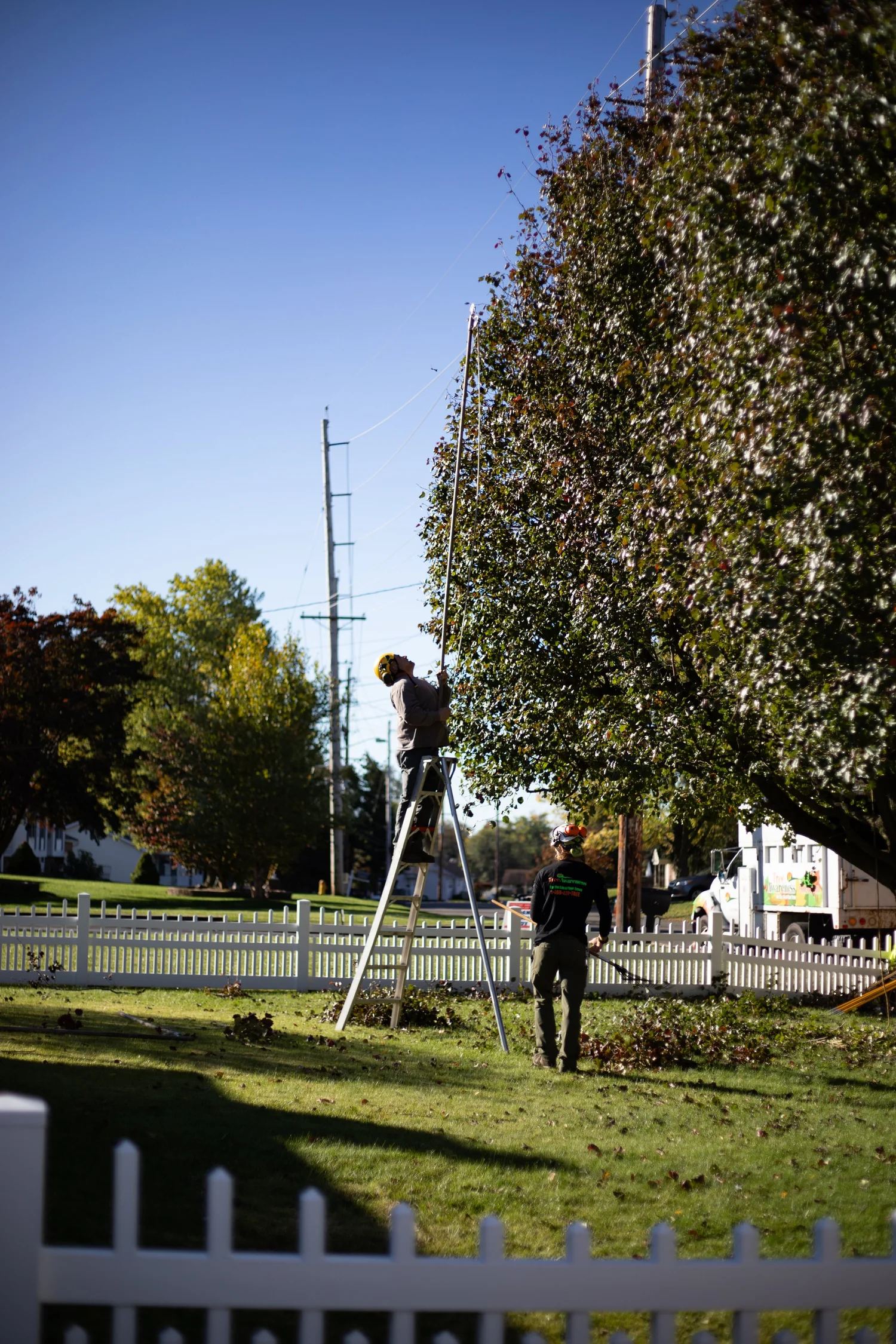
A tree on a structure, vehicle, or person. A tree leaning toward one of those. A tree down on power lines. A tree blocking a public road. Anything where waiting until tomorrow could cause additional damage or injury. Routine fallen-branch cleanup is not an emergency, but we can usually fit those in same-week.
Active emergencies, yes — tree on structure, on conductors, in the road. Call (856) 241-0489. For post-storm cleanup, we triage and schedule by priority. Wait times depend on storm volume.
Depends on the carrier. Some carriers approve direct billing on emergency removal; others require homeowner pays and submits for reimbursement. We provide the insurance-ready documentation either way.
Yes. Cause-of-failure photographs, before/after, methodology used — all dated and signed. Provided as a digital report you can send to your adjuster.
Power lines are utility property. We coordinate with PSE&G or Atlantic City Electric for any work involving primary conductors. Service drop wires (the line from the pole to your house) we can sometimes work near with utility approval. Never under live primary lines without a utility lockout.
Don’t go inside or under it. Call us at (856) 241-0489 immediately. Call your insurance carrier next. Do NOT let a contractor start cutting before your insurance has documented the scene — that can compromise your claim. We’ll triage the immediate safety risk and coordinate with your carrier’s adjuster.
Yes. Current general liability and workers’ compensation insurance. Storm response work is fully insured. Certificates available on request.
Triage and immediate stabilization: typically $400–$1,500 depending on hazard. Full removal of a storm-damaged tree: $800–$5,000+ depending on size and complexity. Crane-assisted removal of trees on structures: quoted by case. Often covered by homeowner’s insurance.
Storm work, hazard removals, lightning damage, and the protocols behind them.
Triaged by priority. Insurance-ready documentation. Local crew with thirty years on South Jersey storms.