Visual TRAQ ยท Resistograph ยท Aerial inspection ยท Written reports
ISA TRAQ-qualified visual assessments. Resistograph drill testing. Aerial inspections. Written reports with risk ratings, recommendations, and photographic documentation. Method, not opinion. On paper.
Tree Risk Assessment is not a free estimate. Paul Biester โ NJ Licensed Tree Expert #408, ISA Member, TRAQ-qualified โ performs a formal on-site assessment and issues a written report. A consultation fee applies, quoted up front before any visit is scheduled. Contact us for current rates.
Before TRAQ (the ISA Tree Risk Assessment Qualification), tree risk was a guess. The same tree could be called “safe” by one arborist and “dangerous” by another. TRAQ replaced that with a standardized method.
Tree Awareness performs TRAQ Level 1, Level 2, and Level 3 assessments. We use resistograph drill testing for internal wood condition, sonic tomography for high-value specimens, and aerial inspection (climbing) when the defect can’t be read from the ground.
Every assessment produces a written report with risk rating (low / moderate / high / extreme), defect documentation, photographs, and specific recommendations.

TRAQ recognizes three levels of visual assessment. We add aerial inspection as a fourth tool when needed.
A drive-by or quick walk-around. Fastest, lowest cost. Used to screen large numbers of trees (HOA inventories, post-storm sweeps) for trees needing further attention.
The standard. Full ground-level walk-around of the tree. Defect identification, target evaluation, written risk rating. The right level for most homeowner concerns.
Detailed assessment with specialized tools: resistograph drill testing, sonic tomography, root-collar excavation. Used when Level 2 leaves the structural call ambiguous.
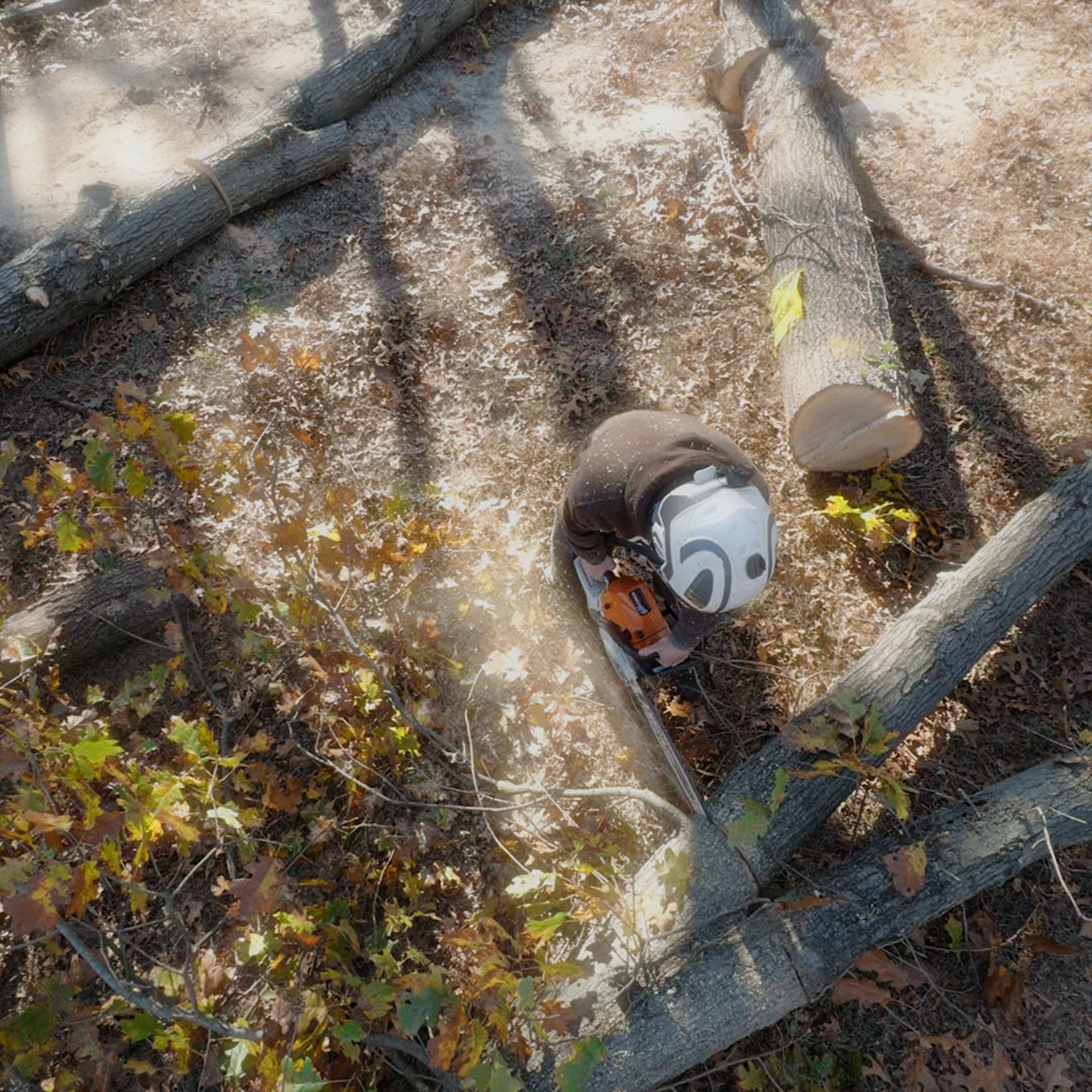
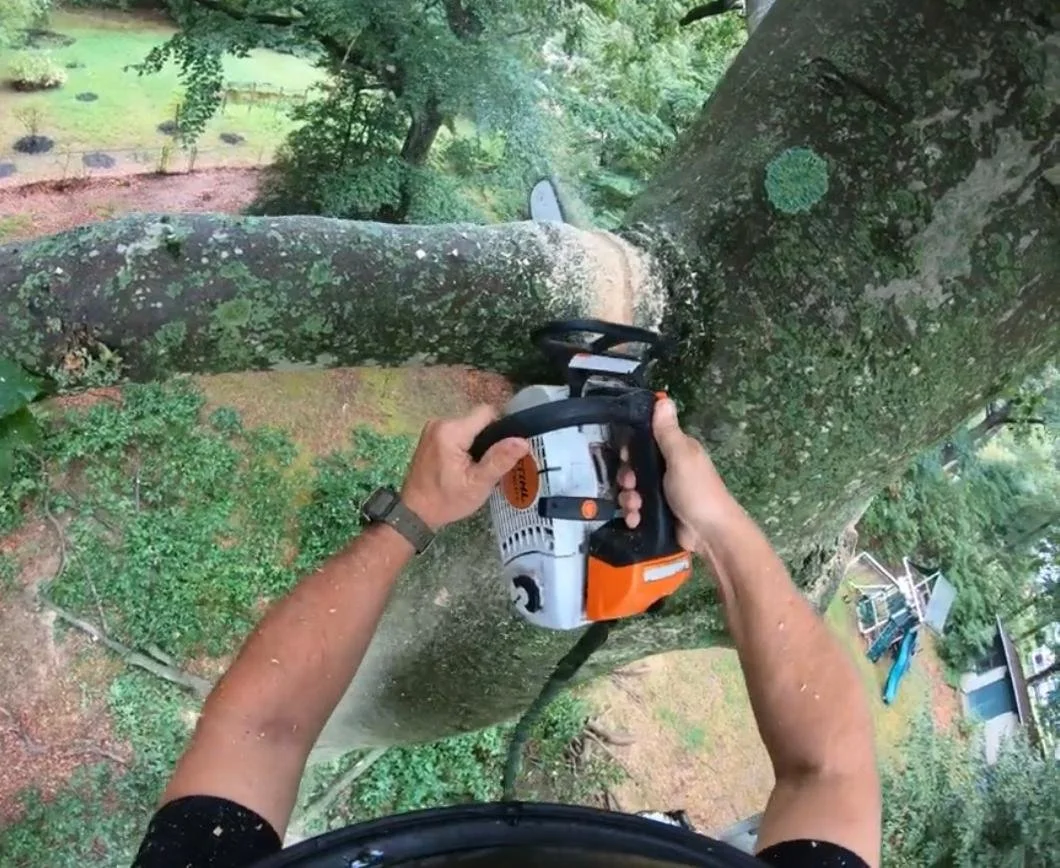
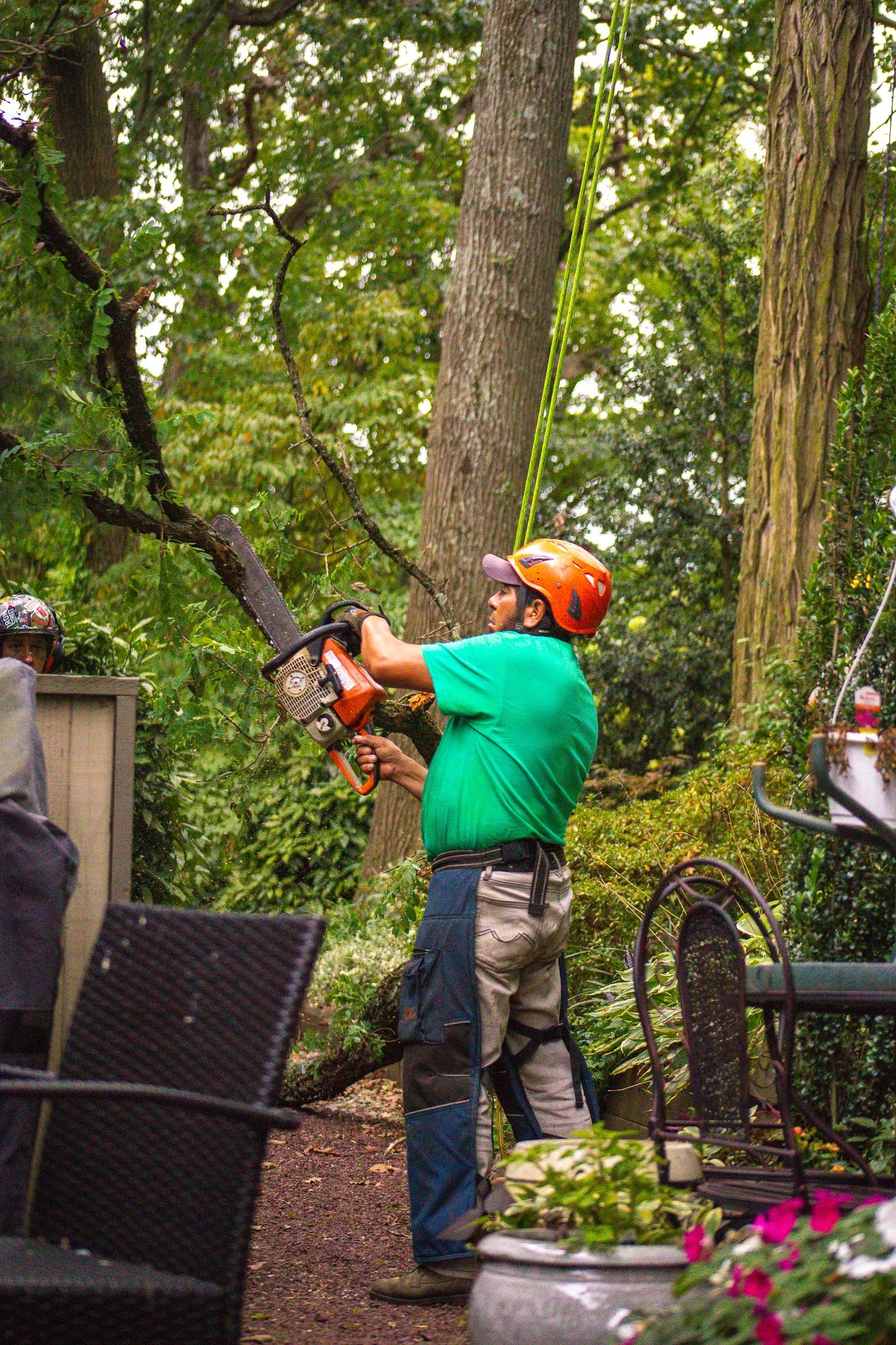
Climbed inspection (ATRA — Aerial Tree Risk Assessment). Used when defects are too high to read from the ground. The data the climber gets matters.
A TRAQ assessment produces a written report with photographs and recommendations. Not a verbal opinion.
Discuss your concern. We may recommend Level 1, 2, or escalation upfront.
On-site evaluation. Photographs, measurements, defect notes.
Risk rating, defect documentation, photographs, recommendations.
Pruning, cabling, removal, monitoring — whichever the data supports.
High-value or borderline trees go on annual or biennial reassessment.
Resistograph testing, aerial inspections, decay evaluation, structural assessments.


A homeowner’s heritage White Oak with a basal decay wound. The protocol that gets to the right answer.
TRAQ Methodology ยท Tree Awareness
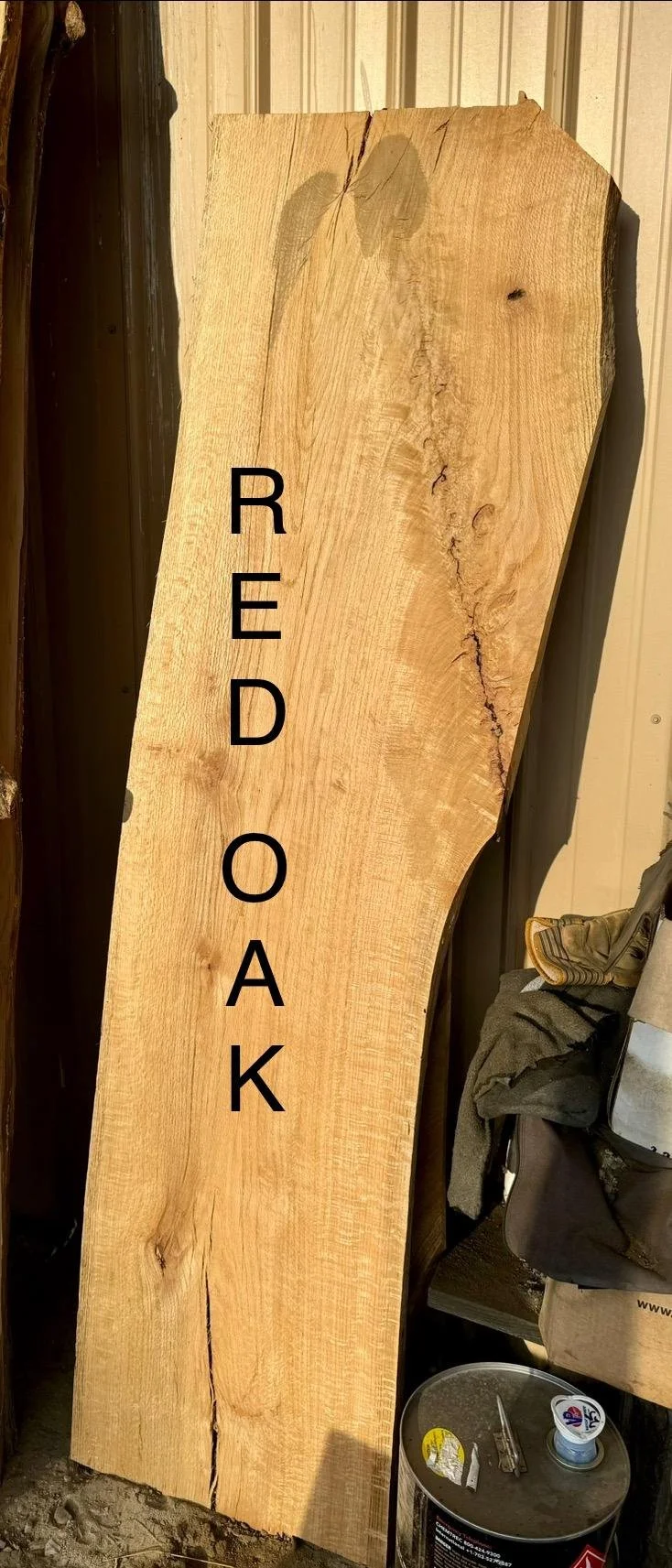
A White Oak with visible basal decay. The homeowner’s question: do we keep it or remove it? The answer depends on the structural condition of the wood — which can’t be read by visual inspection alone.
Visual reading first. Sounding with a hammer to identify hollow zones. Targeted resistograph drilling through the suspected wound. The tree had been compartmentalizing successfully for years.
The data supported keeping the tree on a 12-month re-assessment cycle. Without the resistograph, the visual would have justified removal.
See the methodology →TRAQ is the methodology. Many tree services give “assessments” that don’t qualify as TRAQ assessments at all.
TRAQ assessments across 80+ municipalities in Gloucester, Camden, Salem, and Cumberland counties.
TRAQ stands for Tree Risk Assessment Qualification. It’s the International Society of Arboriculture’s standardized methodology for evaluating tree risk. TRAQ-qualified arborists complete a 3-day course and exam, and the qualification must be renewed every 5 years. Paul Biester is TRAQ-qualified.
You probably do if any of these apply: visible defects (cracks, cavities, conks), recent storm damage, a tree over a target zone (house, garage, deck, public area), insurance or HOA requirement, or pre-purchase / pre-listing real estate inspection. If you’re wondering “is this tree safe?” — that’s the question TRAQ answers.
A small hand-held drill that measures the resistance of wood as a fine bit penetrates the trunk. Solid wood reads high resistance. Decayed wood reads low. Hollow voids read near-zero. The result is a printed cross-section of the structural wood — data no visual-only inspection can produce.
When a Level 2 visual identifies a defect but can’t determine its severity from the outside. Surface decay that might or might not extend deep into the trunk. Suspected hollow zones. Co-dominant stems with possible included bark. Resistograph or sonic tomography produces the data the visual can’t.
A Level 2 assessment for a single tree typically takes 30–60 minutes on site plus report preparation. Multi-tree assessments scale linearly. Level 3 with resistograph adds 30–60 minutes per tree depending on number of bores.
Yes. Written TRAQ reports are insurance-ready and litigation-ready — they include the qualification credential, methodology used, photographs, defect documentation, risk rating, and specific recommendations.
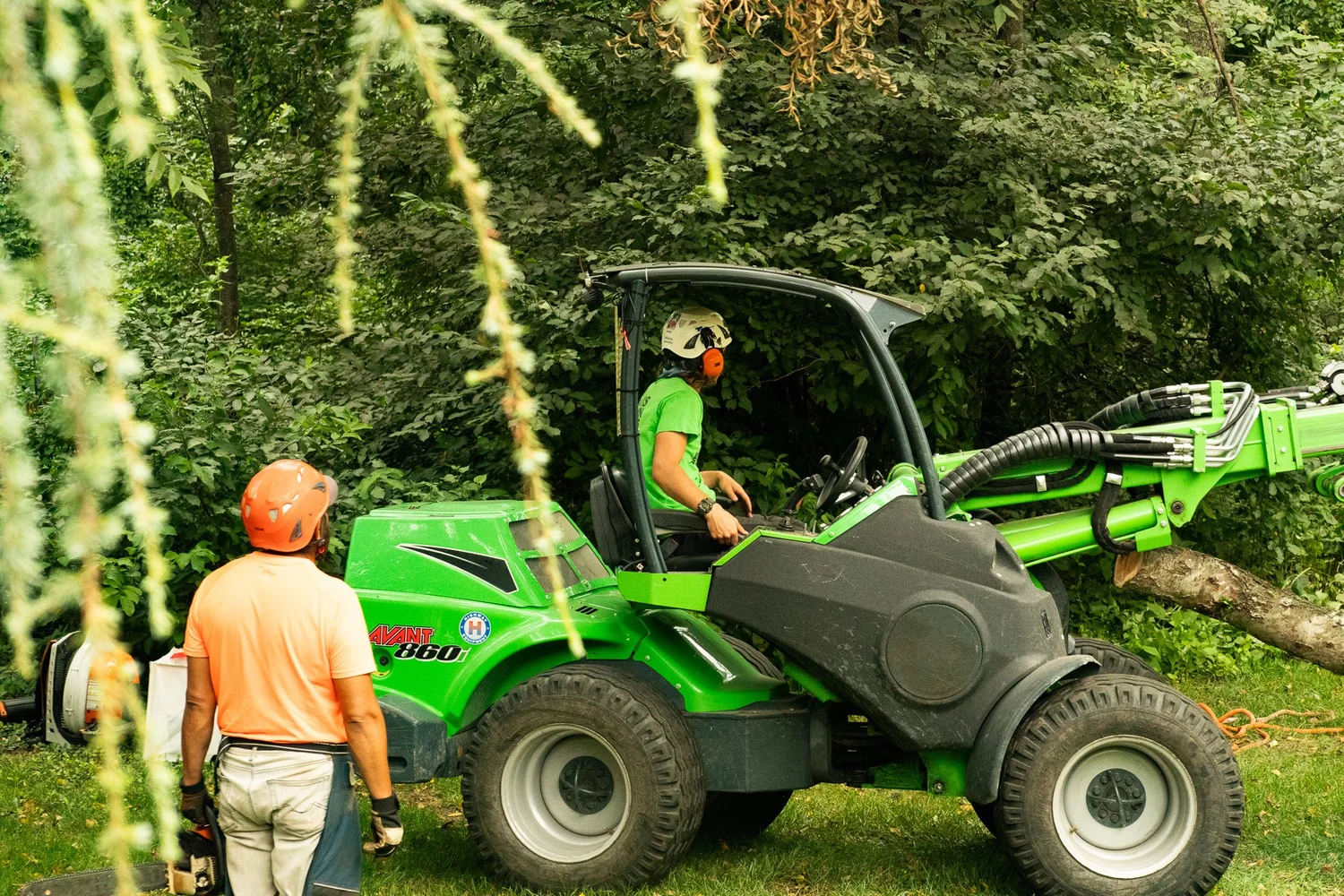
Yes. Current general liability and workers’ compensation insurance. Certificates available on request.
Single-tree Level 2 assessments typically run $150–$400. Resistograph adds $150–$300 per tree. Multi-tree estate assessments and HOA inventories are quoted by tree count.
TRAQ methodology, resistograph case studies, aerial inspections.
TRAQ-qualified, resistograph-capable, written report. Site consultation is free.